1000 Smart Kids Prompts: A Practical Creativity Planner for Real Life
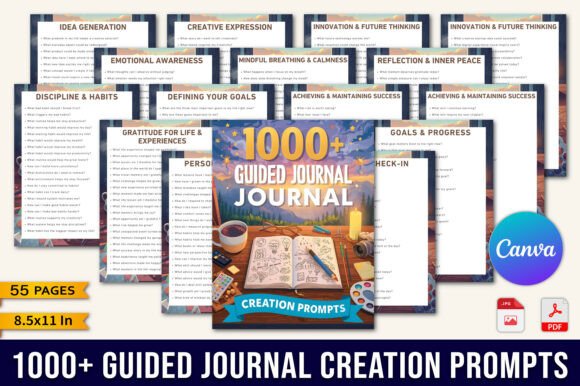
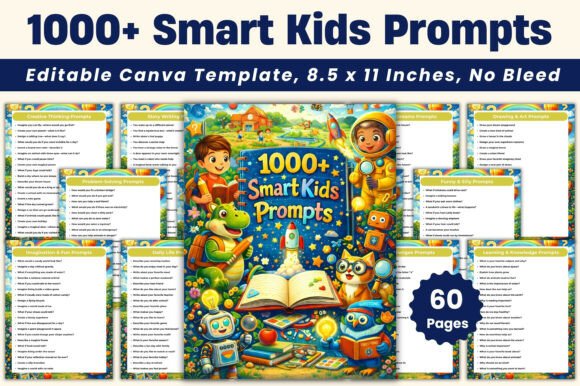
If you’ve ever sat down with a child and heard “I don’t know what to write” or “I’m bored,” you know the struggle of trying to spark creativity on demand. That’s where 1000 Smart Kids Prompts steps in — not as a flashy promise, but as a straightforward, usable tool. It’s a collection of 1,000 prompts designed to get kids thinking, writing, imagining, and reflecting every single day. The prompts span storytelling, problem-solving, creativity, and daily reflection, all packed into a 60-page printable PDF (with JPG and PNG formats) at standard 8.5×11 inches.
But here’s what matters to you as an adult using this with a child: it’s not about filling pages for the sake of it. It’s about building real thinking habits in a way that feels like play. Let’s walk through where, when, and why this planner actually fits into everyday life.
Where This Planner Fits in Real Life
1000 Smart Kids Prompts isn’t tied to a specific curriculum or rigid schedule. That flexibility is one of its strongest assets. Here are the most common settings where it becomes genuinely useful:
At the Kitchen Table After School
After a long day of structured learning, kids often need a low-pressure activity to transition from school mode to home mode. A single prompt — like “Imagine you could talk to animals. What would you ask a squirrel?” — can turn a snack break into a moment of quiet creativity. You don’t need to plan anything. Just pick a page, read the prompt, and let the child respond verbally, draw a picture, or write a few sentences. The planner’s multi-category design means you can grab a logic puzzle one day and a storytelling prompt the next, keeping things fresh.
Homeschooling Mornings
For homeschooling parents, variety is survival. 1000 Smart Kids Prompts offers exactly that. Use a science-themed prompt to kick off a lesson, a problem-solving challenge to break up a math session, or a daily reflection to end the morning. The book’s mix of writing, drawing, logic, and science tasks aligns naturally with a flexible home-school day. Because it’s printable, you can reuse favorite prompts or compile them into a personalized binder. No need to hunt for worksheets online every week.
In the Car or on the Go
Travel time — whether a 15-minute drive or a long road trip — is often wasted screen time. With the digital formats (PDF, JPG, PNG), you can load a few prompts on a tablet or phone. Ask your child to pick a number between 1 and 1000, then read that prompt aloud. “What would happen if rain turned into lemonade?” becomes a conversation starter for the whole family. It’s screen-light, engaging, and doesn’t require a Wi-Fi signal.
Quiet Time Instead of Screens
Many parents want to reduce passive screen time but struggle to offer appealing alternatives. The prompts in this planner are intentionally short and varied, making them easy to slip into a quiet afternoon. A child who loves drawing can pick a creativity prompt. A logical thinker might enjoy a brain-busting puzzle. The key is that the child chooses — and that choice itself builds confidence and ownership over their learning.
Who Benefits Most — and How
The product description mentions emotional and social growth, critical thinking, and brain-boosting exercises. But what does that look like in practice?
For the reluctant writer: Many kids freeze when asked to “write a story.” But a specific prompt — “Write a menu for a restaurant that serves food from Mars” — removes the blank-page anxiety. The constraint actually frees them. Over time, they build writing stamina without realising it.
For the budding problem-solver: Prompts that ask “How would you get a cat out of a tree without a ladder?” encourage flexible thinking. These aren’t textbook problems; they’re everyday dilemmas dressed as fun challenges. Kids learn to weigh options, consider consequences, and articulate their reasoning.
For the emotionally aware child: Reflection prompts — like “What made you smile today?” — normalise talking about feelings. They give a structured yet safe way to check in with themselves. Over weeks, this builds emotional vocabulary and self-awareness. Teachers and parents have found this especially helpful for children who struggle to express emotions verbally.
For the homeschool educator or classroom teacher: You get a ready-to-use resource that aligns with multiple subject areas without extra prep. A prompt about building a bridge out of spaghetti can connect to physics, creative writing, and teamwork. Because the file is printable, you can hand out different prompts to different students, or use one prompt as a whole-class discussion starter.
Practical Considerations Before You Use It
1000 Smart Kids Prompts is designed for broad use, but a few points can help you get the most out of it:
- Age suitability: The prompts work best for children roughly ages 5 to 12, but flexibility matters. A younger child might draw a response while an older one writes a paragraph. Adjust the expectation, not the activity.
- Print vs. digital: The product includes ready-to-print PDF, JPG, and PNG files. If you choose to print, you can bind them or use a simple folder. If you prefer digital, keep the PDF on a tablet and let kids point to their chosen prompt. Both work — pick what fits your routine.
- Repeatability: You might worry that 1000 prompts are too many. In practice, kids revisit topics differently as they grow. A prompt about “if you could invent any machine” will produce a different answer from a 6-year-old than from a 10-year-old. That’s a feature, not a flaw.
- No right or wrong: The planner isn’t graded. Its value lies in the process of thinking, not in a perfect answer. Let go of correction and focus on curiosity.
Why Adults Choose This Over Generic Activity Books
If you’re a creator, educator, or parent who has tried other prompt books, you’ve probably noticed that many are either too themed (only writing, only drawing) or too short (50 prompts you burn through in a week). 1000 Smart Kids Prompts stands out because of its sheer variety across categories — creativity, logic, science, storytelling, daily reflection — and its emphasis on critical thinking and emotional growth, not just busy work.
For teachers and homeschoolers, the brain-boosting exercises (logic puzzles, thinking challenges) add a layer that purely creative prompts miss. For parents who want to foster kindness and self-expression, the emotional and social growth prompts provide a gentle structure. The “learning through play” angle isn’t just marketing; it’s how the prompts are constructed — each one feels like a game, but the cognitive load is real.
Ways to Turn This Into a Habit
The best results come from regular, low-stakes use. Here are a few patterns that work:
- One prompt a day: Keep the printed sheet near the breakfast table, or set a daily “prompt time” for 10 minutes before bed. Consistency matters more than length.
- Weekly theme: Pick a category (like “problem-solving”) for the week and choose prompts from that section. This deepens engagement in one skill area.
- Group activity: In a classroom or playdate, have each child respond to the same prompt and then share. This builds listening skills and shows how different minds approach the same idea.
- Journal combo: Pair the prompts with a simple notebook where kids paste or copy their favourite responses. Over months, they build a personal creativity journal they can look back on.
Final Thoughts Before You Download
1000 Smart Kids Prompts is a practical, no-hype resource that respects your time and a child’s need for genuine engagement. It doesn’t promise to make your child a genius overnight, but it does offer a daily invitation to think, wonder, and express — and that’s exactly what consistent creative practice looks like. Whether you use it at the kitchen table, in a homeschool co-op, or on a long car ride, it adapts to your reality rather than asking you to adapt to it.
If you’re looking for a tool that supports critical thinking, emotional development, and playful learning without adding more screen time, this planner is worth a spot in your digital cart or binder. The 60 pages are designed to be used, reused, and shared — exactly how a resource for growing minds should be.