Service Log Kdp Interior: A Practical Guide for Evaluating Your Maintenance Record Options
When you are preparing to publish a service log, repair record book, or equipment log through Amazon KDP, the interior layout often becomes the deciding factor in whether a customer finds the product useful or simply skips past it. The right interior does more than hold information — it shapes how someone interacts with the record over months or years of use. Service Log Kdp Interior refers to a specific type of book interior template designed for print-on-demand platforms, typically offering multiple layouts, high-resolution formatting, and ready-to-upload files. Understanding what these interiors provide, how they differ, and whether they match your publishing goals matters if you want to create a product that serves readers well.
This article walks through what you can expect from a service log interior package, why publishers and creators consider them, the tradeoffs involved, and how to decide if such a template fits your project. The assessment here is meant to help you compare options, weigh practical factors, and make a choice that aligns with your audience's needs and your own workflow.
What Is Service Log Kdp Interior?
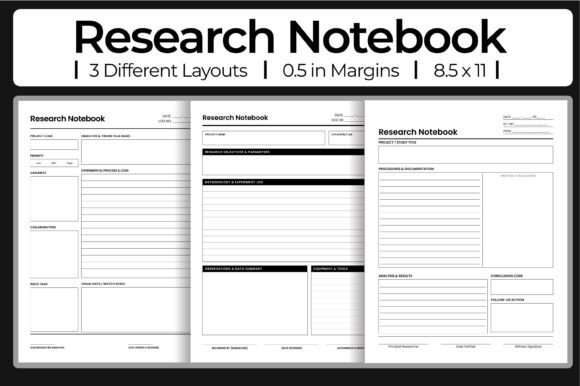
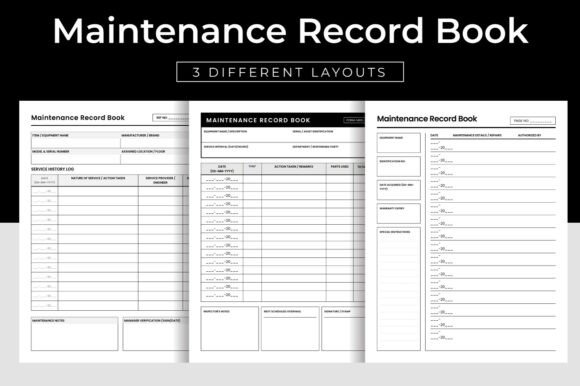
A Service Log Kdp Interior is a pre-formatted PDF file or set of files that serves as the inside pages of a service log, maintenance log, repair record book, vehicle log, or equipment log book. These interiors are designed specifically for Amazon KDP's print requirements, meaning they follow the platform's specifications for trim size, margins, bleed, and resolution. The package you are evaluating includes three distinct layouts, each provided as a separate PDF of 120 pages, along with corresponding JPG previews. All files are 300 DPI, sized at 8.5 inches by 11 inches with no bleed, and are ready for upload to KDP without additional formatting.
The "interior" is the content layer customers see when they open the book — it includes the table headers, entry fields, checkboxes, date lines, and any structural elements that help users record and track maintenance events over time. Because these interiors are customizable, you can modify text, branding, or field labels before uploading, though the core structure and layout are provided as a starting point.
Why Someone Might Be Interested in Service Log Kdp Interior
Interest in this type of interior package usually comes from two directions. First, self-publishers who want to create niche log books quickly without spending hours designing each page from scratch. Second, small business owners, fleet managers, or workshop operators who need a consistent record-keeping tool they can print in small quantities or sell to others with similar needs.
A few specific reasons someone might look into a Service Log Kdp Interior include:
- They want to launch a KDP title in the vehicle maintenance, equipment tracking, or repair log niche and need a professional layout that meets Amazon's print standards.
- They value having multiple layout options in a single purchase, so they can choose the format that best fits their target audience — or even offer all three as separate products.
- They prefer high-resolution, no-bleed files that eliminate common upload errors and produce clean printed pages.
- They want a ready-to-upload solution that reduces preparation time, especially if they are not experienced with design software or KDP formatting requirements.
- They intend to customize the interior with their own branding or specific field labels but want a proven structural foundation to build on.
These motivations are practical rather than aspirational. The value lies in saving time, reducing formatting mistakes, and delivering a consistent user experience across a series of log books.
Benefits
Multiple layouts give you flexibility. With three distinct interiors in one package, you can evaluate which layout feels most intuitive for your intended reader. A vehicle log might benefit from a layout that emphasizes mileage and date, while an equipment log could prioritize hours of operation and maintenance type. Having options lets you test or pivot without buying separate templates.
High resolution and 300 DPI ensure print quality. At 300 DPI, text and line art remain sharp even on larger page sizes. This is especially relevant for log books where users will write by hand — faint or blurry lines become frustrating over time. The 8.5 x 11 inch size provides ample space for entries without feeling cramped.
No bleed simplifies KDP upload. Books without bleed do not require extra margin trimming during printing. This reduces the chance of content being cut off and makes the upload process straightforward. For many publishers, no-bleed interiors are easier to manage, especially when dealing with multiple layouts or frequent revisions.
Ready-to-upload files save time. If you are publishing several log books or want to test different niches quickly, having a PDF that already meets KDP's spec means you can focus on cover design and product description rather than page-by-page formatting.
Tradeoffs
Page count is fixed but adjustable. The package lists 120 pages per layout. While you can increase or decrease pages if you want, the original structure assumes that length. If your audience needs a thinner book (for occasional use) or a thicker one (for multiple years of entries), you will need to edit the PDF, which may require PDF editing software. This is not a limitation for everyone, but it is worth noting if you plan to offer different page counts.
Customization requires extra work. The interiors are customizable, but that does not mean they are editable in basic PDF viewers. You will likely need Adobe Acrobat Pro, Canva, or similar tools to change headers, add logos, or adjust field labels. If you prefer a completely fillable or interactive PDF, these interiors may not include form fields — they are designed for print and manual entry.
Three layouts may be more than you need. If your niche is narrow — say, a repair log for a specific tractor model — you might only use one layout. The other two become surplus unless you repurpose them for other titles. Evaluate whether the package's variety aligns with your product range.
Expectations
When you purchase or download a Service Log Kdp Interior, expect flat PDF files with structured tables and entry areas. The layouts are not interactive or fillable on screen; they are meant to be printed and written on. The JPG previews help you see the visual layout before committing to a full PDF. Because the files are high resolution, file sizes may be larger than standard PDFs, so ensure your upload connection and KDP account can handle files of that size. Most users find the ready-to-upload nature of these interiors reduces preparation time significantly, but the final quality still depends on how well you align the interior with your chosen cover and product description.
Situations Where Service Log Kdp Interior Is a Strong Fit
This type of interior works well when your goal is to publish one or more printed log books with minimal design overhead. It is especially suitable if:
- You are new to KDP and want a straightforward interior that avoids common formatting mistakes like incorrect margins or low resolution.
- You plan to create a series of log books — vehicle logs, equipment logs, repair records — and want consistent interior formatting across all titles.
- Your target audience values clear, readable tables and plenty of writing space. Mechanics, equipment operators, and fleet managers often prefer larger entry fields over dense layouts.
- You want to test multiple layout styles without buying separate templates. You can upload one layout, see how it performs, then switch to a different one for a second title.
- You need a print-ready file quickly, for example, if you are preparing for a promotional event or want to launch a seasonal product.
When Alternatives May Be Worth Considering
There are situations where a different approach might serve you better. Alternatives worth evaluating include:
- Custom-designed interiors from scratch: If you have specific field requirements that do not match any of the three layouts, designing your own gives you full control. This takes more time but may be necessary for niche equipment or specialized maintenance schedules.
- Fillable PDF or digital log forms: If your readers need to type entries rather than write by hand, these print-oriented interiors are not the right fit. A digital-first product would require a different format entirely.
- Smaller or larger trim sizes: The 8.5 x 11 inch size is standard for many log books, but some users prefer pocket-sized (6 x 9 or smaller) for portability. If your audience works in tight spaces or needs a glovebox-friendly format, this interior's size may not align.
- Single-layout packages: If you only need one layout and want to minimize cost, purchasing a single-interior template might be more economical than a three-layout bundle.
Each alternative involves its own tradeoffs in time, cost, and fit. The right choice depends on whether the pre-designed structure of a Service Log Kdp Interior matches the specific record-keeping habits of your readers.
Practical Decision-Making Insights
To decide whether a Service Log Kdp Interior aligns with your goals, start by clarifying who will use the log book and how they will fill it out. If the user is someone who grabs a pen, jots down a date and a quick note, and moves on, then a spacious, no-bleed, high-resolution printed page is exactly what they need. If the user expects to type records into a digital form or sync data with a spreadsheet, a print-oriented interior will frustrate them.
Next, consider your own workflow. If you have access to PDF editing tools and are comfortable adjusting headers, page numbers, and field labels, the customizability of these interiors becomes a real advantage. If you do not want to edit anything and just want to upload, verify that the default text and labels are suitable for your niche. Some interiors come with generic headers like "Date," "Service Type," and "Notes," which work for many categories. If you need specialized terms like "Oil Change Interval" or "Tire Pressure Check," be prepared to modify the file.
Finally, think about scale. If you plan to publish a single log book, a full three-layout package may provide more than you need. If you intend to build a catalog of maintenance-related books, the variety pays off because you can differentiate products by layout style, making each title feel distinct even if the content category is similar.
Determining Whether It Aligns with Your Needs
Ask yourself a few questions before committing to any interior template:
- Does the 8.5 x 11 inch trim size fit the physical context where the log will be used? (For a garage or workshop, yes. For a car glovebox, possibly too large.)
- Am I comfortable editing a PDF if I need to change headers or add branding? (If not, look for templates that use simpler text layers.)
- Will 120 pages be enough for the typical usage period? (A vehicle log used weekly may fill up in 2–3 years; a daily equipment log may fill in months.)
- Do I have the software needed to open, edit, and save high-resolution PDFs without losing quality? (Free tools may compress or degrade 300 DPI files.)
- Do I want to offer all three layouts as separate products, or just choose one? (If selling all three, factor in cover design and description variation for each.)
Working through these questions honestly will help you avoid surprises after upload. Many publishers find that a ready-to-upload interior like this one saves them days of formatting work, but the real value appears only when the interior matches the reader's expectations for clarity, durability, and ease of use.
Final Evaluation Summary
A Service Log Kdp Interior package with three distinct layouts, 120 pages each, high resolution, and no bleed offers a solid foundation for publishing maintenance, repair, and equipment log books on Amazon KDP. Its primary strength is reducing preparation time while meeting Amazon's print specifications. The tradeoffs involve limited customization without additional software, a fixed page count range, and a trim size that may not suit every use case. For most self-publishers and small-scale creators targeting vehicle or equipment owners, this type of interior strikes a practical balance between convenience and quality. If your audience values handwritten records and you want to launch quickly, it is worth strong consideration. If your requirements lean toward digital interactivity, smaller formats, or highly specialized fields, explore alternatives that better fit those parameters. Either way, understanding what the interior provides — and what it does not — puts you in a better position to create a product that genuinely helps readers track and manage their maintenance history.