Why a Fitness Workout Tracker Is the Missing Piece in Your Health Routine
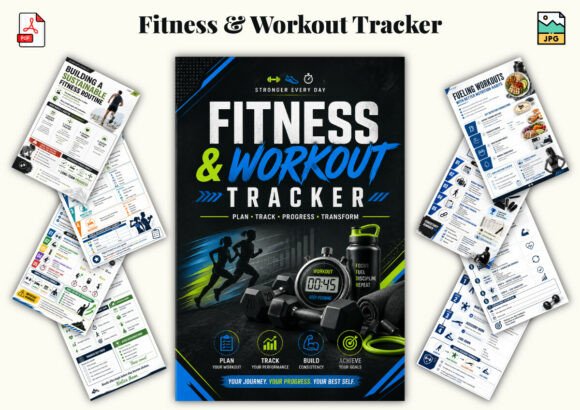
In an era where health optimization and data-driven decisions define the modern lifestyle, the Fitness Workout Tracker has emerged as more than just a scheduling tool. It represents a shift in how we approach personal accountability, goal setting, and long-term wellness. The Fitness Workout Tracker – 31-Page Printable Workout Journal is not merely a collection of logs; it is a structured system designed to bridge intention and action. For professionals, creators, entrepreneurs, and enthusiasts who demand clarity and results from their fitness investment, this tool provides a tactile, thoughtful framework that complements the digital saturation of everyday life.
The growing attention around printable fitness resources like this one signals a broader cultural move toward intentionality. People are recognizing that well-being is not a passive outcome but an active practice. The Fitness Workout Tracker answers this need by combining planning pages, habit trackers, progress logs, and reflection sheets into a single coherent workbook. Whether you are training for performance, managing stress, or building a routine from scratch, the workbook offers a practical path forward without the noise of apps and notifications.
The Shift Toward Structured Accountability in Fitness
One of the most significant trends in health and wellness over the past several years is the move from vague aspiration to structured accountability. Consumers are no longer satisfied with generic advice like “exercise more” or “drink more water.” They want systems that make those actions measurable and repeatable. The Fitness Workout Tracker fits squarely into this movement by offering pages for weekly workout schedules, strength logs, hydration tracking, and progress reviews. Each page is designed to capture real data, not just intentions.
This shift is partly driven by the professionalization of personal health. Entrepreneurs, freelancers, and knowledge workers increasingly treat their bodies as part of their business infrastructure. Cognitive performance, emotional resilience, and physical energy directly impact output. A printable workout journal provides a low-friction way to monitor these inputs without the friction of learning a new app. The Fitness Workout Tracker – 31-Page Printable Workout Journal supports this mindset by including goal-setting worksheets and action planning pages that mirror the strategic thinking professionals already apply to their careers.
Moreover, the tactile nature of a printable journal offers cognitive benefits that digital tools often lack. Writing by hand engages different neural pathways, reinforcing memory and commitment. When you physically log a workout or check off a hydration habit, the act becomes more deliberate. This is not a retreat from technology but a complementary strategy that enhances focus and retention.
Why People Are Paying Attention to Printable Fitness Journals
The renewed interest in printable wellness tools reflects a growing skepticism toward passive digital consumption. While fitness apps can track steps and heart rate, they often fail to address the psychological components of consistency—reflection, planning, and motivation. The Fitness Workout Tracker addresses this gap. It includes motivational fitness journal prompts, reflection worksheets, and habit trackers that encourage users to examine not just what they did but how they felt and what they learned.
For busy professionals, the appeal lies in the journal's efficiency. Every page serves a specific purpose: strength logs for performance monitoring, recovery sheets for understanding rest needs, and challenge pages to break monotony. The 6 x 9 inch format is portable enough to carry in a bag, making it a practical companion for gym sessions, travel, or morning planning. The clean, modern sporty aesthetic also matters—design influences usage. A visually appealing tool invites consistent engagement.
Another reason this product is gaining traction is the rise of personalized wellness. People no longer believe in one-size-fits-all programs. They want to design routines that fit their bodies, schedules, and values. The Fitness Workout Tracker – 31-Page Printable Workout Journal enables this by providing blank templates that users can adapt. Whether someone is training for a marathon, recovering from an injury, or building strength for the first time, the same workbook can serve different goals. The flexibility reduces the friction of starting a new routine and sustains motivation over time.
Changing Workflows and Expectations in Health Management
The modern approach to health management increasingly resembles project management. Goals are broken into milestones, actions are logged, and progress is reviewed at regular intervals. The Fitness Workout Tracker mirrors this workflow. It includes weekly workout schedules for macro planning and daily logs for micro execution. The progress tracking sheets serve as a retrospective, allowing users to see what worked and what didn’t. This iterative cycle is exactly how professionals manage complex projects, and applying it to fitness makes the process feel familiar and manageable.
Hydration habit trackers and wellness tracking sheets are particularly relevant in this context. Many people overlook the cumulative impact of small daily actions. By tracking water intake alongside workouts, the journal reinforces the idea that fitness is not just about exercise but about overall lifestyle design. The inclusion of recovery and wellness tracking sheets acknowledges that performance requires rest, a concept often neglected in hustle-oriented cultures.
For personal trainers and coaches, the Fitness Workout Tracker serves as a client resource that extends the value of their sessions. Instead of relying on memory or scattered notes, clients can bring a structured log to each appointment. This improves communication, reveals patterns, and increases accountability between sessions. The 31 pages provide enough depth for a month of focused tracking, making it easy to integrate into coaching programs or wellness challenges.
From a business perspective, the printable format offers creators and entrepreneurs a scalable product. Digital delivery eliminates inventory and shipping costs while providing high-value content. Many health professionals, content creators, and wellness brands are now offering printable workbooks as lead magnets, upsells, or standalone products. The Fitness Workout Tracker – 31-Page Printable Workout Journal exemplifies this model—it is a complete solution that is ready to use, easy to customize, and aligned with the growing demand for practical wellness tools.
Practical Examples of How the Tracker Supports Real Goals
Consider a freelance graphic designer who struggles with consistency. Without a fixed schedule, workouts often get postponed. Using the weekly workout schedule pages, they can block time for three strength sessions and two recovery walks. The habit tracker helps them monitor daily water intake and sleep quality. At the end of the month, the reflection and review worksheet reveals which days felt most productive and why. This insight allows them to adjust their routine for better alignment with their natural energy cycles.
Another example: a marketing professional preparing for a company fitness challenge. They use the fitness challenge pages to map out daily tasks and the strength and performance logs to track improvements in specific lifts. The goal-setting and action plan pages help them define a realistic target and break it into weekly milestones. Throughout the challenge, the motivational journal prompts keep them engaged, turning a short-term competition into a sustainable habit.
For a parent returning to exercise after a long break, the Fitness Workout Tracker offers a gentle structure. They can start with the hydration and wellness tracking sheets to build foundational habits before adding complex workouts. The recovery and wellness tracking sheets ensure they pay attention to sleep and stress levels, preventing burnout. The absence of rigid rules allows them to progress at their own pace while still maintaining a sense of direction.
Connecting to Larger Developments in Health and Productivity
The popularity of printable fitness journals connects to larger developments in the self-improvement and productivity industries. The concept of "slow productivity" and intentional living has gained traction as people push back against constant digital engagement. Tactile tools like the Fitness Workout Tracker provide a deliberate pause—a moment to sit with your goals and assess your progress without a screen. This aligns with broader trends toward mindfulness, minimalism, and analog tools.
Furthermore, the rise of remote and hybrid work has blurred the boundaries between personal and professional life. Many people now have more control over their schedules but also more responsibility for structuring their time. A printable workout journal offers a clear framework for integrating health into daily life without requiring complex integrations or subscriptions. It becomes a central reference point for well-being, much like a planner structures work tasks.
The fitness industry itself is shifting from equipment-heavy solutions to content-driven resources. Home workouts, bodyweight training, and flexible programming have normalized the idea that effective fitness does not require a gym. The Fitness Workout Tracker – 31-Page Printable Workout Journal supports this flexibility by being format-agnostic. Whether you train at home, outdoors, or in a commercial gym, the same pages work. This universality is a key reason why printable trackers are becoming a staple in wellness toolkits.
Conclusion
The Fitness Workout Tracker is more than a printable—it is a thoughtful response to the evolving needs of modern health seekers. In a world where attention is fragmented and motivation fluctuates, having a clear, tactile system for planning, tracking, and reflecting makes a measurable difference. The Fitness Workout Tracker – 31-Page Printable Workout Journal combines practical design with behavioral science principles to support consistent action. For professionals, creators, and anyone serious about their fitness journey, this workbook offers the structure needed to turn good intentions into lasting results.
By choosing a tool that respects your time, adapts to your goals, and emphasizes reflection alongside action, you set yourself up for sustainable progress. The journal is not just about logging sets and reps; it is about building a relationship with your own well-being that is intentional, informed, and enduring.