2026–2027 Craft Business Planner KDP: A Strategic Tool for Handmade Entrepreneurs
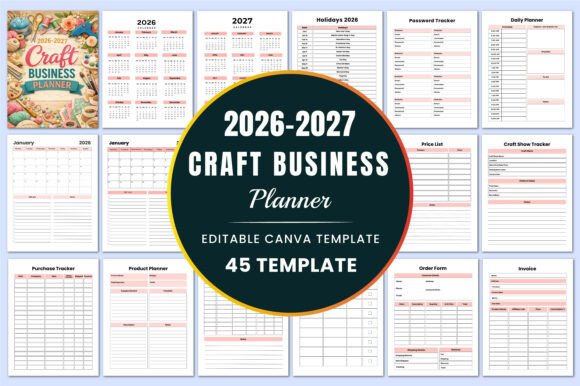
Running a handmade business or creative brand often means juggling orders, inventory, marketing, and financial tracking while also trying to stay inspired. Without a clear system, it is easy to lose sight of goals, miss deadlines, or feel overwhelmed by daily tasks. The 2026–2027 Craft Business Planner KDP offers a structured yet flexible approach to managing these demands. Designed specifically for sellers and creative entrepreneurs, this planner provides a comprehensive framework to organize operations, plan projects, and build brand confidence over a two-year period.
What sets this planner apart is its focus on practical, everyday business needs rather than generic time management. From order forms and inventory logs to tax deduction trackers and craft show planners, each section serves a specific function that supports real decision-making. Whether you are launching a new product line, preparing for seasonal sales, or simply trying to stay consistent with customer follow-ups, this tool can help you move from reactive scrambling to intentional growth.
Why a Dedicated Business Planner Matters for Creative Professionals
Many creative entrepreneurs start with a notebook or a digital calendar, but soon discover that general planning tools fail to capture the unique rhythms of a craft business. Order deadlines, material lead times, marketing campaigns, and financial tracking require a system that understands these interconnected pieces. The 2026–2027 Craft Business Planner KDP addresses this gap by offering dedicated pages for supplier lists, purchase tracking, and income versus expense monitoring.
Using a planner that aligns with your actual workflow reduces mental clutter. Instead of adapting your business to a generic template, you can focus on what matters most—creating, selling, and connecting with customers. This alignment between tool and task is one of the most overlooked factors in productivity. When your planner reflects your reality, you spend less time figuring out where to log information and more time acting on it.
Strategic Goal Setting with the Goals Tracker and Annual Overview
Goal setting is often treated as a one-time activity, but effective entrepreneurs revisit and adjust their targets regularly. The annual overview and goals tracker in this planner allow you to map out big-picture objectives for 2026 and 2027 while breaking them into manageable steps. For instance, if you want to increase revenue by 20% in the first half of 2026, you can use the monthly planners to align marketing budgets, product launches, and craft show participation with that goal.
The risk of setting goals without a tracking mechanism is that they remain abstract wishes. By writing them down and reviewing them weekly, you create accountability. The planner’s weekly plan and daily plan pages give you space to connect high-level ambitions with concrete actions. A goal like “expand to three new wholesale accounts” becomes a series of reach-outs, sample shipments, and follow-ups logged across multiple weeks.
Using the Planner to Strengthen Operations and Customer Experience
Operations in a craft business extend beyond making products. You need to manage inventory levels, track which supplies are running low, and ensure timely reordering. The inventory log and purchase tracker help you monitor stock without guesswork. When you know exactly what materials are on hand and what needs ordering, you avoid last-minute scrambles that can delay orders or increase shipping costs.
Customer experience also benefits from consistent tracking. The customer follow-up list and customer tracker allow you to note preferences, past purchases, and communication history. This information turns a generic interaction into a personalized one. For example, if a repeat buyer previously ordered a custom item, you can follow up with a thank-you note or a preview of similar new products. Small gestures like this build loyalty and repeat sales, yet they are easy to forget without a system.
Practical Examples of Daily and Weekly Planning for Sellers
Consider a typical week during a holiday season. Orders are coming in faster than usual, and you need to prioritize production while keeping marketing active. Using the weekly planner, you can block time for manufacturing, set aside two hours for social media content, and schedule customer follow-ups. The daily plan pages then break each day into focused sessions, reducing the temptation to multitask.
Another example: You are preparing for a craft show in March 2027. The craft show planner and craft show tracker help you decide which events to apply for, what inventory to prepare, and how to budget for booth fees and travel. After the event, you can log sales, leads, and lessons learned. This post-event reflection is invaluable for improving future shows, yet many sellers skip it because they lack a designated space to record insights.
Financial Clarity Through Budgeting, Tax Tracking, and Reporting
Financial management is one of the biggest challenges for creative entrepreneurs. Income can be irregular, and expenses vary from month to month. The budget spreadsheet, expense tracker, income tracker, and tax deduction tracker provide a clear picture of your financial health. Instead of waiting until tax season to sort through receipts, you can log deductions throughout the year, making filing simpler and potentially reducing your tax burden.
The yearly report section is particularly useful for long-term planning. By comparing revenue and expenses across two years, you can identify trends—which seasons are most profitable, which product categories perform best, and where you might be overspending. This data supports smarter decisions about pricing, inventory purchases, and marketing investment.
Marketing and Content Planning for Consistent Brand Growth
Brand visibility does not happen by accident. The newsletter planner, content promotion tracker, and affiliate tracker help you plan and measure your marketing efforts. If you publish a weekly newsletter, the planner allows you to outline topics in advance, track open rates, and note which content drives sales. Similarly, tracking affiliate partnerships helps you see which collaborations are worth continuing.
One strategic approach is to use the marketing budget page to allocate funds across channels—social media ads, craft show fees, promotional materials—and then review performance quarterly. Without a budget, it is easy to overspend on tactics that yield little return. The planner forces a moment of reflection before money leaves your account.
When to Rely on This Planner and What to Consider
The 2026–2027 Craft Business Planner KDP is most valuable when you have multiple moving parts in your business. If you are selling across platforms like Etsy, Shopify, and in-person markets, having a single source of truth reduces confusion. It is also helpful during transitions, such as scaling from a side hustle to a full-time operation or adding new product lines.
However, no planner works on its own. The risk of using any tool without clear goals is that you fill pages without changing behavior. If you complete the to-do lists and weekly plans but never act on them, the planner becomes a record of intention rather than a driver of results. To avoid this, schedule a regular review—perhaps Sunday evening or Monday morning—to look at the previous week’s progress and set priorities for the week ahead.
Possible Pitfalls and How to Avoid Them
One common mistake is trying to use every page from day one. The planner includes 65 pages covering many functions, but you do not need to fill them all immediately. Start with the sections most relevant to your current challenges. If inventory management is your pain point, focus on the inventory log and purchase tracker first. Add customer tracking and marketing planning as those areas become more pressing.
Another pitfall is treating the planner as a static document. Business conditions change—suppliers change prices, customer preferences shift, new platforms emerge. The planner should be updated regularly, not set aside after January 2026. The 2026–2027 timeframe gives you two years to refine your approach, so use the early months to establish habits that will carry through the entire period.
Integrating the Planner into Your Workflow
To get the most from this tool, integrate it into your daily routine rather than treating it as an occasional reference. Keep it accessible on your desk or workspace. When you receive an order, log it in the order form. When you buy supplies, update the purchase tracker. When you have a business idea, write it in the ideas section before it slips away.
The editable Canva link included with the planner offers flexibility for those who prefer digital planning. You can customize pages, add your branding, or print only the sections you need. This hybrid approach is useful if you sometimes work online and sometimes prefer pen and paper.
Building Long-Term Confidence in Your Business Decisions
Confidence in business comes from knowing you have considered the details. When you have tracked your income and expenses for two years, you can make pricing decisions backed by data. When you have logged customer feedback and follow-ups, you can tailor your offerings with precision. When you have planned craft shows and reviewed outcomes, you can invest your time and money where they yield the best results.
The 2026–2027 Craft Business Planner KDP is not just a scheduling tool—it is a decision-making framework. By using it intentionally, you move from hoping things work out to actively shaping your business trajectory. The pages are simple and clean, but the cumulative effect of consistent use is clarity, control, and growth.
Final Thoughts on Choosing the Right Planner for Your Business
Every creative entrepreneur eventually needs a system that matches the complexity of their work. Generic planners miss the mark because they do not account for inventory cycles, craft show logistics, or the seasonal nature of handmade sales. A planner built specifically for sellers addresses these realities head-on.
If you are ready to bring more structure to your creative business without losing the flexibility that makes it yours, the 2026–2027 edition offers a thoughtful balance. Use it to set goals, manage orders, track finances, and plan content. But more importantly, use it to make better decisions—one page at a time.