2026–2027 Marketing Strategies Playbook: A Unified Approach to Business Growth
In an era where content velocity, platform algorithms, and audience expectations shift almost weekly, the need for a single, coherent system to manage marketing has never been more acute. The 2026–2027 Marketing Strategies Playbook emerges not as yet another template, but as a thoughtful response to the fragmentation that many entrepreneurs, creators, and marketers experience daily. Juggling a dozen tools, scattered spreadsheets, and half-remembered deadlines is no longer sustainable—if it ever was. This all-in-one business and social media planner brings together calendars, content planning, branding tools, and financial tracking into one structured system, offering a way to move from reactive posting to intentional, measurable growth.
Why an All-in-One Marketing Planner Matters Now
The marketing landscape of early 2026 is defined by rapid platform evolution and shifting user habits. Short-form video remains dominant, but long-form, community-driven content is regaining traction. E-commerce is more integrated into social apps, and AI-assisted content creation has become standard, making human strategy and brand consistency the true differentiators. In this environment, the old approach of planning content in isolation—then separately tracking finances, product launches, and competitor moves—creates friction. The playbook addresses this by acting as a central nervous system for your entire marketing operation.
Many professionals have moved past the novelty of individual content calendars and are now seeking unified systems that reduce context-switching. The 2026–2027 Marketing Strategies Playbook fits this trend by offering everything from an Instagram post planner to a product SEO checklist, all within one resource. For the creator who also runs a small product line, or the marketing manager juggling multiple brand accounts, having a single source of truth reduces stress and improves execution speed.
From Fragmented Tools to Integrated Strategy: The Evolution of Planning
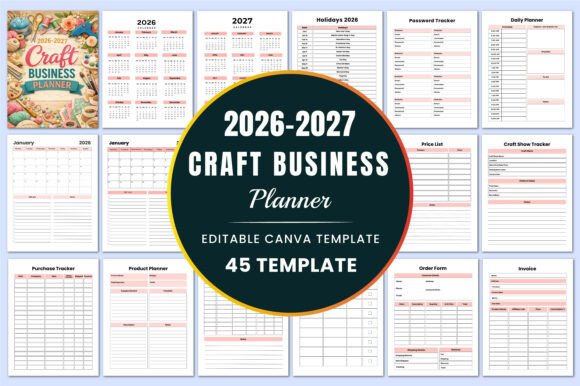
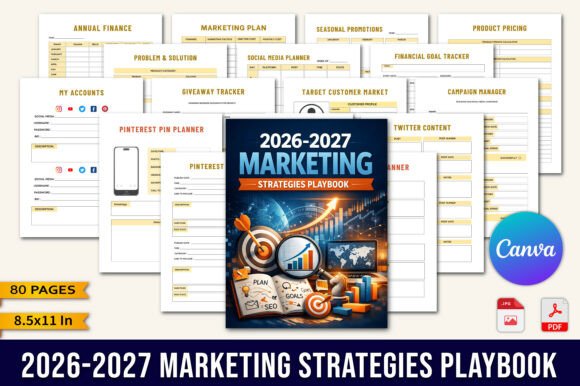
A few years ago, a typical marketing planner might consist of a paper calendar, a separate notebook for content ideas, a spreadsheet for budget tracking, and a folder full of brand guidelines. The shift toward digital and hybrid planning has been gradual, but the revelation of 2025–2026 is that integration beats collection. The playbook reflects this evolution by wrapping yearly and monthly calendars for 2026–2027 alongside platform-specific planners for Instagram, YouTube, Facebook, Pinterest, Twitter, and LinkedIn. It also includes business-critical sections like competitor analysis, keyword research, and financial goal tracking.
People are paying more attention to this kind of structured planning because the margin for inconsistency has shrunk. With algorithms favoring accounts that post regularly and authentically, missing a week of content can set you back significantly. The playbook’s content schedule templates help ensure you never have to scramble for a post idea at 11 p.m. again. Moreover, the inclusion of a giveaway tracker and coupons promotion sections reflects how promotional tactics have evolved from simple discounts to tied-in campaigns that need careful tracking.
Platform-Specific Planners in a Multi-Platform World
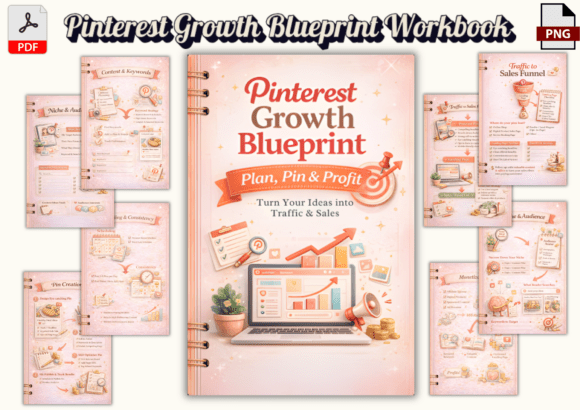
One of the standout features of this playbook is its dedicated sections for each major social platform. Rather than forcing a one-size-fits-all content calendar, it provides tailored planning spaces. The Instagram content schedule and Stories planner help you map out visual narratives that flow naturally across feed and ephemeral content. The YouTube planner accommodates longer-form video production cycles, which often require more lead time for scripting, filming, and editing. Pinterest planning is especially valuable in 2026, as the platform has solidified its role not just as a visual discovery engine but as a powerful sales channel, especially for product-based businesses. The Pinterest Board Planner and Stats Analysis sections let you track which boards drive traffic and adjust your pinning strategy accordingly.
Facebook remains a key platform for community building and advertising, and the dedicated Facebook Advertising Tracker within the playbook helps you monitor ad performance without leaving your planning environment. LinkedIn and Twitter (now often referred to as X) sections cater to B2B and real-time engagement needs. Each planner is designed to capture not just what you post, but also the performance data and notes that inform future content. This creates a feedback loop that improves your marketing over time.
Content Ideas and Branding in One Place
Running out of content ideas is a common pain point. The playbook includes a dedicated Content Ideas section, paired with a Branding Kit that stores your color palette, fonts, logo usage, and brand voice notes. When you sit down to plan, you can immediately see what your brand stands for and generate ideas that align with that identity. This saves time and ensures consistency—two things that matter immensely when you're juggling multiple accounts or wearing several hats in a small business.
Practical Implications for Different User Types
For entrepreneurs and business owners, the playbook is a strategic tool that connects marketing activities directly to financial outcomes. The Annual Finance and Annual Profit Loss sheets, combined with the Financial Goal Tracker, allow you to see how your content efforts translate into revenue. If you're launching a product, the Product Planner, Pre-launch costs tracker, and Product SEO Checklist ensure every step is accounted for—from research to pricing to updates. A realistic example: a small online boutique owner can use the playbook to plan seasonal promotions, track Pinterest performance, monitor Facebook ad spend, and log product ideas—all without switching between five different tools.
For marketers and freelancers, the playbook functions as a client management and campaign coordination hub. The Campaign Manager and Target Customer Market sections help define audience segments and track campaign performance across channels. Because many freelancers manage multiple clients, having a My Accounts section to store login details and brand notes in a structured way is a practical safeguard. The Goal Action Plan and Problem Solution sections encourage you to move from vague objectives (“get more followers”) to concrete plans (“increase email sign-ups by 15% through a LinkedIn lead magnet in Q3”).
For creators and hobbyists building a personal brand, the playbook offers a gentle but effective structure. The long-term business goals section helps you think beyond viral moments, while the Social Media Planner and Website Planner keep your online presence cohesive. Even if you're not selling a product yet, the Financial Goal Tracker can be repurposed to track savings from your side hustle or sponsorship income. The key is that the playbook scales with your ambition—it works whether you're a solo creator or a growing team.
Business Fundamentals Integrated with Creative Planning
One of the most thoughtful aspects of the 2026–2027 Marketing Strategies Playbook is how it pairs creative tasks with business fundamentals. The Marketing Plan section isn't just a list of tactics—it ties into the Long Term Business Goals and Seasonal Promotions calendar. The Product SEO Checklist and Keywords Research sections acknowledge that visibility on search engines and platforms often determines success. For anyone selling online, the ability to track Product pricing, Product updates, and Release dates in the same place as your social media content prevents costly misalignments.
The Competitor Analysis and SEO Keyword Focus sections are especially relevant for 2026, as niche competition grows and organic reach requires more deliberate optimization. Instead of guessing what your competitors are doing, you can systematically note their strategies and compare them with your own performance—all within the playbook. This kind of structured competitive analysis was once reserved for large marketing teams; now it's accessible to anyone using this planner.
Why Consistency Matters More Than Ever
The ultimate recommendation that emerges from using a tool like this is simple: consistency compounded over time drives growth. The playbook doesn't promise overnight virality. Instead, it provides the scaffolding to show up day after day, week after week, with content that reflects your brand, reaches the right audience, and supports your financial goals. The yearly and monthly calendars help you see the big picture, while the individual platform planners handle the details.
For those who have felt overwhelmed by the pace of modern marketing, returning to a structured playbook—one that reminds you to revisit your brand kit, check your profit and loss, and plan content in advance—offers a sense of control. The 2026–2027 Marketing Strategies Playbook is not a magic solution, but it is a practical tool for anyone ready to move from chaos to clarity. Whether you're launching a new product, growing an online community, or simply trying to keep all your marketing plates spinning, having everything in one place is the first step toward sustainable success.