2027 Dissociation Journal: A Guided Companion for Self-Awareness
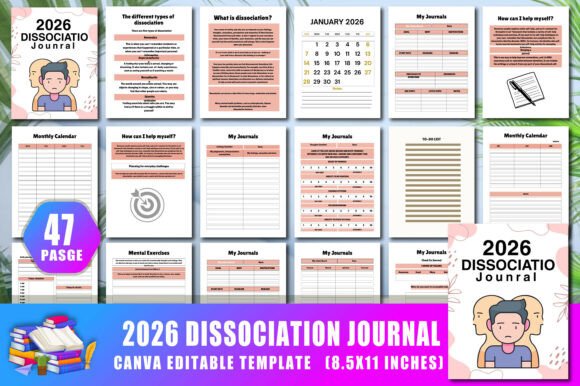
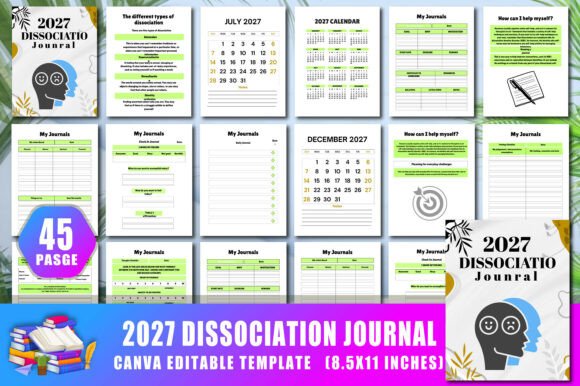
If you're looking for a practical tool to help understand and navigate dissociative experiences, the 2027 Dissociation Journal offers a thoughtful blend of education, self-reflection, and planning. This isn't just a blank notebook—it's a structured resource designed to support anyone curious about dissociation, whether you're exploring the topic for personal reasons, supporting a loved one, or working as a mental health professional. With 45 carefully crafted pages, no bleed formatting, and 300 DPI print-ready quality, this journal is built for real use. And because it comes as a Canva interior file, you can customize colors, shapes, and text to match your style before uploading to Amazon KDP.
What Makes the 2027 Dissociation Journal Different
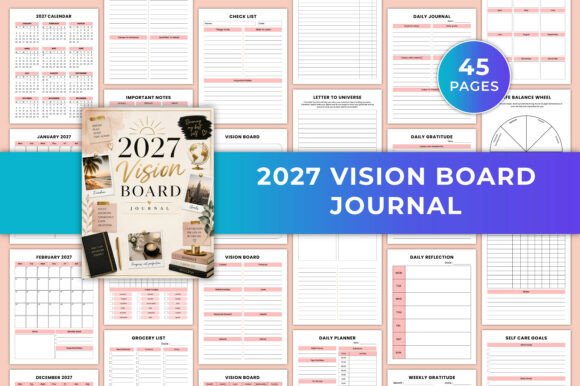
Many journals focus solely on gratitude or daily reflection. This one takes a different path. It combines psychoeducation about dissociation with hands-on exercises and classic planning pages. You get a complete year of monthly calendars from January through December 2027, plus weekly planner spreads, a bucket list, to-do lists, and a vision board. But the core of the journal is its dissociation-specific content—pages that explain what dissociation is, common signs and symptoms, the different types, and the effects of dissociative disorders. This isn't clinical jargon; it's presented in a way that feels accessible whether you're a beginner or someone already familiar with the topic.
Educational Pages That Build Understanding
The journal opens with dedicated sections that answer fundamental questions. "What is dissociation?" gives you a clear, plain-language explanation. Then you'll find pages on signs and symptoms, the different types of dissociation (depersonalization, derealization, amnesia, identity confusion, and others), and the effects a dissociative disorder can have on daily life. These aren't dry textbook summaries—they're written to help you recognize patterns in your own experience or better understand what someone close to you might be going through. For beginners, this educational foundation is invaluable. You don't need any prior knowledge to start using this journal effectively.
Self-Help Techniques You Can Apply Immediately
Knowing about dissociation is one thing; knowing what to do about it is another. The 2027 Dissociation Journal includes multiple pages under "How can I help myself" that introduce grounding strategies and coping tools. The 5-4-3-2-1 technique is a classic grounding exercise that uses your senses to anchor you in the present moment—you'll find a dedicated page for practicing it. The Categories Exercise helps you organize thoughts and sensations when you're feeling scattered. Body Awareness pages guide you through checking in with physical sensations, which is especially helpful when dissociation makes you feel disconnected from your body. And the Mental Exercises sections give you repeatable practices to strengthen focus and presence. These aren't one-time activities; you can return to them throughout the year as needed.
Who Will Benefit Most from This Journal
This journal works well for several groups of people. If you're someone who experiences mild dissociative episodes—maybe you sometimes feel detached from your surroundings or have gaps in memory during stress—the educational content and exercises can help you understand and manage those moments. If you're in therapy for a dissociative disorder, this journal can complement your treatment by providing structured opportunities to practice grounding and track patterns. Therapists and counselors might use it as a resource to share with clients. Even if you're just curious about the topic and want to learn more in a structured way, the journal offers a low-pressure entry point. For creators and small business owners on Amazon KDP, the Canva interior file means you can customize the design, add your branding, and publish a unique product.
Practical Uses Across Different Contexts
Think of this journal as a flexible tool that fits into various parts of life. In a personal context, use the monthly calendars to track appointments and the weekly planner to manage daily tasks—all while keeping dissociation-related exercises nearby as a resource. In a therapeutic setting, a client might bring the journal to sessions to discuss what they've observed. For bloggers or content creators covering mental health, the educational pages can inspire posts or serve as a reference. Freelancers and entrepreneurs who deal with high stress and occasional dissociation can use the grounding exercises during work breaks. Educators teaching psychology or counseling could use the journal as a teaching aid. The combination of planning and therapeutic content means it doesn't feel clinical or overwhelming—it feels like a normal part of your routine.
Key Features at a Glance
- Belongs to page – Personalize the journal right at the start.
- Full 2027 calendar – Monthly pages from January to December 2027, plus additional monthly calendar spreads later in the journal.
- Psychoeducation pages – What is dissociation, signs and symptoms, types, and effects.
- Self-help strategies – How can I help myself (multiple sections), 5-4-3-2-1 technique, Categories Exercise, Body Awareness, Mental Exercises.
- Journaling space – 4-page My Journals sections for longer reflections, plus additional My Journals pages.
- Planning tools – Weekly planner, monthly calendars, bucket list, to-do list, vision board.
- Therapy journal pages – Dedicated section for dissociation therapy journaling.
- Notes and Thank You page – Extra space for thoughts and a closing note.
- 45 pages, no bleed, 300 DPI – Print-ready quality with a unique design.
- Canva interior file – Fully editable, ready to upload to Amazon KDP.
How to Use the Journal Effectively
Start by filling out the "This Book Belongs To" page—it makes the journal feel like yours. Then flip through the educational sections to get a baseline understanding of dissociation. You don't need to read everything at once. Pick one grounding exercise, like the 5-4-3-2-1 technique, and try it for a few days. Use the monthly calendar to mark days when you felt particularly grounded or particularly disconnected. Over time, patterns may emerge. The weekly planner helps you structure your week around activities that support your well-being. The bucket list and vision board are there for future-oriented thinking, which can be grounding in itself. If you're using this in a professional context, the therapy journal pages give you a dedicated space to record insights between sessions.
Important Considerations Before You Start
This journal is a self-help tool, not a replacement for professional mental health care. If you're experiencing severe dissociation, memory gaps, identity confusion, or distress, please reach out to a qualified therapist or healthcare provider. The exercises in this journal can support your journey, but they work best alongside professional guidance. Also keep in mind that dissociation looks different for everyone—some exercises may feel more helpful than others, and that's okay. The journal is designed to be flexible, so feel free to skip pages that don't resonate and focus on what works for you.
Why the Canva Interior Matters
If you're planning to upload this journal to Amazon KDP or use it for your own publishing projects, the Canva interior file is a huge advantage. You can add or remove elements like colors, shapes, and text to create a unique look. The file comes ready to upload, but you also have full editing freedom. This is especially useful for small business owners, freelancers, and creators who want to brand the journal or tailor it to a specific audience. The no-bleed formatting and 300 DPI resolution ensure that the printed version looks crisp and professional. And with 45 pages, it's concise enough to feel manageable while still offering substantial content.
Final Thoughts on the 2027 Dissociation Journal
The 2027 Dissociation Journal fills a specific need that most planners and journals overlook. It gives you a year-long structure while also educating you about dissociation and providing practical grounding tools. Whether you're using it for personal growth, as a complement to therapy, or as a product to publish on Amazon KDP, the combination of content and customization makes it a versatile resource. The writing is clear and beginner-friendly, the exercises are actionable, and the Canva interior means you can make it your own. If you've been searching for a journal that understands dissociation without feeling heavy or clinical, this might be exactly what you need.