Self-Therapy Wellness Workbook: A Guided Canva Tool for Mindful Growth and Daily Well-Being
In a world that rarely pauses, the practice of turning inward has become both a luxury and a necessity. Many of us move through days packed with obligations, notifications, and noise, yet feel a quiet hunger for clarity, calm, and a deeper connection with ourselves. The Self-Therapy Wellness Workbook — designed as an editable Canva template collection — steps into this space not as a quick fix, but as a gentle, structured companion for anyone ready to explore their inner landscape. Whether you're navigating stress, seeking emotional balance, or simply wanting to build healthier habits, this workbook offers a tangible way to slow down and reflect. It combines the flexibility of a digital tool with the intimacy of a personal journal, making it accessible for modern lifestyles while retaining the timeless value of self-inquiry.
What Is the Self-Therapy Wellness Workbook?
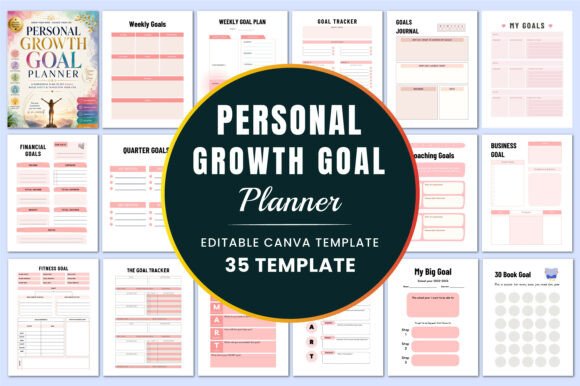
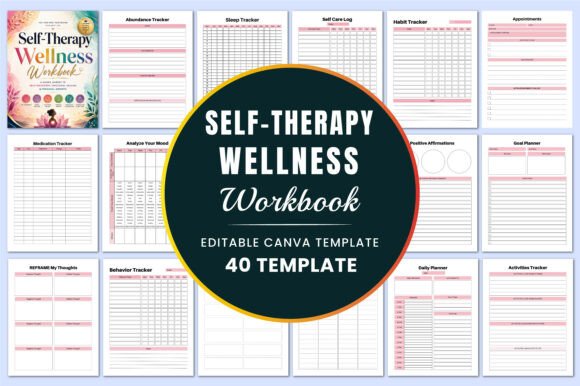
At its core, this workbook is a thoughtfully curated set of 40 editable Canva templates, each designed to guide you through different facets of personal growth and emotional wellness. It is not a rigid curriculum or a clinical manual, but rather a flexible framework that adapts to your unique journey. The pages range from practical trackers — like sleep, medication, and habit logs — to deeply reflective spaces such as gratitude journals, dream notes, and mood analyzers. You receive the collection in multiple formats: an editable Canva link, PDF, JPG, and PNG files, all at 300 DPI in CMYK color, sized at 8.5 x 11 inches with no bleed. This means you can print it, use it digitally, or customize it endlessly to fit your preferences. The workbook is designed for anyone — professionals, creators, students, parents, or retirees — who wants to cultivate self-awareness and emotional resilience without needing prior therapeutic training.
Who Benefits Most from This Guided Workbook?
The beauty of the Self-Therapy Wellness Workbook lies in its universal applicability. It serves a wide audience, yet feels personal to each user. Here are some scenarios where it becomes particularly valuable:
- Individuals navigating life transitions: Whether you're starting a new career, ending a relationship, moving to a new city, or recovering from burnout, the workbook provides structured prompts to process change and ground yourself.
- Professionals and creators seeking balance: Entrepreneurs, freelancers, and remote workers often struggle with boundary-setting and emotional regulation. The habit tracker, daily planner, and stress factor pages help bring order to chaotic schedules.
- Those managing mental health journeys: The medication tracker, medication log, and mood tracker offer a discreet, organized way to monitor patterns and share insights with healthcare providers if needed.
- Anyone interested in mindfulness and self-discovery: Deep breath assistance, being present exercises, positive affirmations, and the vision board invite you to practice presence and intentionality without pressure.
- People who thrive on visual structure: The abundance tracker, bucket list, and goal planner appeal to visual thinkers who enjoy mapping out aspirations and tracking progress in a tangible format.
Comprehensive Tracking Meets Reflective Practice
One of the workbook's greatest strengths is how seamlessly it merges data-driven tracking with open-ended reflection. You're not just logging numbers — you're encouraged to explore the "why" behind them. For instance, the Sleep Tracker isn't a simple grid; it's paired with space to note what affected your rest, so you begin noticing patterns. Similarly, the Mood Tracker and Analyze Your Mood pages work together: one captures daily fluctuations, the other invites you to dig deeper into triggers and responses. This dual approach transforms raw data into meaningful self-knowledge.
Emotional and Behavioral Awareness Tools
Pages like Reframe My Thoughts, Behavior Tracker, and Stress Factor are especially powerful for those who want to move beyond passive awareness into active change. They guide you through cognitive reframing exercises and prompt you to identify stress contributors, making it easier to develop coping strategies over time. The Change Mindset section is a standout — it helps you gently challenge limiting beliefs and replace them with more supportive narratives, all within a safe, private space.
Mindfulness and Presence Practices
In a culture obsessed with productivity, the Deep Breath Assistance and Being Present pages offer a quiet counterbalance. They are simple, non-intimidating exercises that can be done in five minutes or less. You don't need to be a meditation expert to benefit. The Inspirations and Positive Affirmations pages further support this by helping you curate uplifting content and repeat affirmations that resonate with your specific struggles or goals.
Creative and Future-Focused Planning
The workbook doesn't only look inward — it also looks forward. The Vision Board and Bucket List templates encourage you to dream and visualize, while the Goal Planner and My Goals pages break those dreams into actionable steps. This balance between inner work and outward planning makes the workbook feel holistic rather than purely introspective.
Practical Health and Medication Management
For individuals managing chronic conditions, mental health treatment, or simply trying to stay on top of supplements, the Medication Tracker, Medication Log, and Appointments pages provide a clean, organized system. They are designed to be functional without feeling clinical or sterile, which is a delicate balance that this workbook handles well.
Real-World Applications and Scenarios
Imagine a freelance graphic designer who juggles multiple projects and often forgets to eat regular meals or take breaks. She uses the Daily Planner and Activities Tracker to map out her day, while the Self Care Log reminds her to schedule downtime. Over weeks, she notices a pattern: her mood dips on days she skips lunch. The Mood Tracker confirms it, and the Analyze Your Mood page helps her connect the dots. She begins reframing self-care not as indulgence but as necessary groundwork for creativity.
Or consider a college student dealing with anxiety. He uses the Deep Breath Assistance page before exams and the Dream Journal and Dream Notes to process unsettling dreams. The Gratitude Journal becomes a nightly ritual that shifts his focus from worry to appreciation. When he visits a counselor, the Medication Log and Behavior Tracker provide concrete data that enriches their conversations.
A busy parent might print the workbook and keep it on the kitchen counter. The To-Do List and Important Notes pages help manage household tasks, while the My Manifestations and Positive Affirmations pages offer a few minutes of intentional hope before the day begins. The Bucket List becomes a family activity, sparking conversations about shared dreams.
Strengths
- Flexibility: The editable Canva link allows you to customize colors, fonts, and layouts, making the workbook feel genuinely yours. You can also print individual pages as needed rather than the entire book.
- Comprehensive yet approachable: With 40 templates covering everything from breathing exercises to medication logs, it feels complete without being overwhelming. Each page is designed cleanly, with ample space for writing.
- High-quality production specs: At 300 DPI, CMYK color, and 8.5 x 11 inches, the printed version is crisp and professional. The no-bleed design means you can print at home without worrying about trimming.
- Privacy and portability: Since it's a digital download, you can keep it on your device, print only what you need, and avoid the stigma some feel with store-bought wellness journals.
Considerations and Limitations
- Requires initiative: Like any self-guided tool, the workbook's effectiveness depends on regular use. There's no built-in reminder system, so you'll need to create your own routine.
- Not a substitute for professional therapy: This workbook is an excellent complement to therapy or self-help practices, but it is not designed to treat clinical conditions. Users with severe mental health challenges should seek professional support alongside using the workbook.
- Basic design aesthetic: The templates are clean and functional, but some users may prefer a more decorative or artistic layout. If you enjoy embellishing, the editable Canva link gives you creative freedom to add your own touches.
- Printing costs: If you choose to print the entire workbook, the cost of ink and paper may add up. However, the PDF and digital formats ensure you can use it screen-only if preferred.
How to Evaluate Whether This Workbook Is Right for You
Before committing to any self-therapy resource, it's worth considering your personal goals and preferences. Ask yourself: What do I hope to gain? If you're looking for a structured, private way to track habits, process emotions, and set intentions — without the pressure of a rigid program — this workbook is likely a strong fit. It works well for people who enjoy writing, reflecting, and seeing their progress visually. If, on the other hand, you prefer audio-guided exercises, group support, or a more narrative-driven journal, you might want to supplement this workbook with other resources.
Also consider your comfort with digital customization. The editable Canva link is a standout feature for those who enjoy tailoring their tools, but if you'd rather have a ready-to-print PDF, that option is included as well. The file formats (JPG, PNG) also allow you to use individual pages in apps like GoodNotes or Notability, which expands the workbook's utility for tablet users.
Making the Most of Your Self-Therapy Wellness Workbook
To truly benefit from this workbook, consistency matters more than intensity. You don't need to fill every page every day. Start with one or two trackers that speak to your current needs — perhaps the Self Care Log and Gratitude Journal — and gradually incorporate other sections as the habit takes root. Use the Important Notes and Journaling Notes pages to capture insights that arise spontaneously between planned sessions. And remember, the Current Situation and Change Mindset pages are there for seasons of difficulty; you don't have to wait until everything is perfect to use them.
Another practical tip: set a weekly "check-in" with yourself. Use the Daily Planner to block 15 minutes, then turn to the Mood Tracker and Behavior Tracker to review the week. This simple ritual can significantly deepen self-awareness over time.
Final Thoughts: A Gentle Invitation to Self-Discovery
The Self-Therapy Wellness Workbook is more than a collection of templates — it's an invitation to treat yourself with the same care and attention you would offer a dear friend. It acknowledges that healing and growth are not linear, and that small, consistent steps matter more than dramatic overhauls. Whether you're drawn to the Dream Journal for unlocking subconscious patterns, the Abundance Tracker for cultivating gratitude, or the Vision Board for igniting hope, this workbook meets you where you are. It doesn't promise to fix everything, but it does promise to help you show up for yourself — one page, one breath, one reflection at a time.
In a digital age that often pulls us outward, having a private, customizable space to turn inward is a quiet act of resistance and self-compassion. The Self-Therapy Wellness Workbook, with its blend of practical tracking and reflective depth, offers that space. And it does so in a format that respects your individuality — editable, printable, and always ready to evolve with you.
If you're ready to explore your inner world with structure and kindness, this workbook might just be the companion you've been looking for.