ADHD Garden Planner for Joyful Gardening
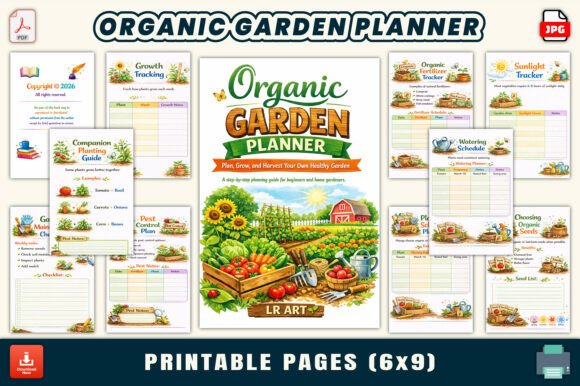
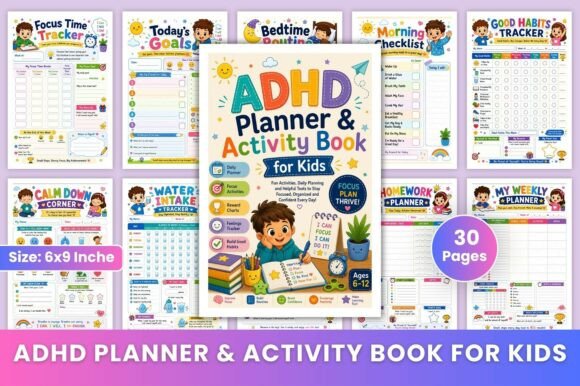
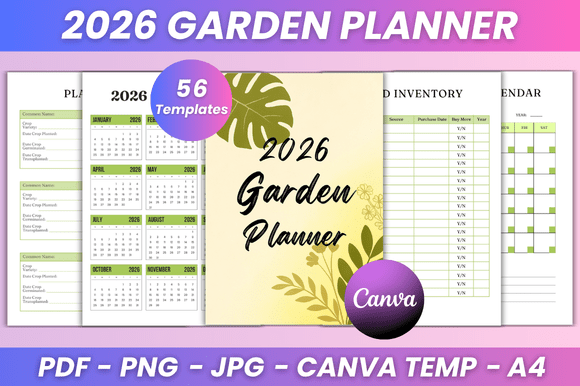
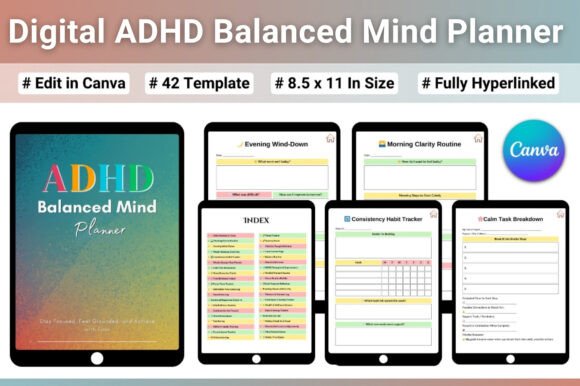
Gardening with an ADHD brain often feels like a contradiction. You love the idea of growing your own food or flowers, yet the reality of watering schedules, weeding routines, and seed-starting timelines can feel overwhelming within days. The ADHD Garden Planner addresses this exact tension by offering a system designed around how your brain actually works, not how you wish it worked. This 120-page guide trades rigid schedules for a flexible, dopamine-friendly approach that helps you cultivate both a garden and a sustainable gardening habit.
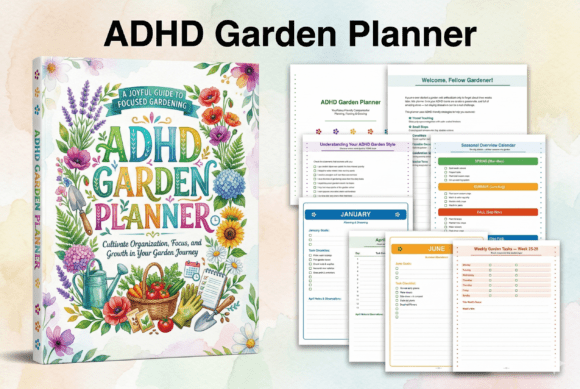
Rather than demanding consistency, the planner acknowledges that interest ebbs and flows. It includes built-in buffer time, color-coded trackers, and checklists broken into tiny steps so you can engage with your garden on your own terms. The result is a gardening experience that feels less like a chore and more like a creative practice you can return to whenever inspiration strikes.
Why a Traditional Gardening Plan Often Falls Short
Standard garden planners assume a neurotypical approach: set a schedule, follow it daily, and track progress in a linear fashion. For many adults with ADHD, this structure creates unnecessary friction. You might start strong, lose interest after two weeks, feel guilty, and abandon the project entirely. The ADHD Garden Planner flips this dynamic by prioritizing flexibility over perfection. There are no rules about when or how to use the pages. You can skip ahead, revisit earlier sections, or leave entire spreads blank without judgment. This low-pressure design reduces the shame that often derails well-intentioned projects.
The planner also recognizes that motivation follows action, not the other way around. By breaking every major task into small, dopamine-friendly checkboxes, you get a quick sense of accomplishment that keeps you moving forward. Even on days when your focus is scattered, checking off a single small task can provide the momentum needed to continue.
How Color-Coded Trackers Support Visual Thinkers
One of the standout features of this planner is its visual progress tracking system. Color-coded trackers let you see your garden's growth at a glance, offering instant visual satisfaction that text-based logs rarely provide. For visual thinkers, this is a game changer. You are not just reading about what you did; you are seeing it in a way that reinforces progress and encourages continued engagement.
Consider a scenario where you are growing tomatoes, peppers, and basil. Instead of writing paragraphs about each plant's status, you can use color blocks to indicate which plants have been watered, fertilized, or harvested. This approach turns garden maintenance into a visual puzzle that feels rewarding rather than tedious. It also makes it easier to pick up where you left off after a few days away, which is especially valuable for those who garden in bursts rather than daily.
Dopamine-Driven Checklists That Actually Work
Traditional to-do lists often fail people with ADHD because they are too broad. "Plant the vegetable garden" is not a single task; it is a series of twenty small actions. The ADHD Garden Planner breaks every big task into tiny, doable steps. Each step becomes a checkbox, and each check mark delivers a small dopamine hit that reinforces your progress.
For example, instead of listing "prepare soil," the planner might include: clear the area, remove weeds, loosen the top layer, mix in compost, level the surface, and water lightly. Checking off six boxes instead of one gives you a sense of accomplishment that keeps you engaged. This approach is especially helpful for beginners who may not know where to start or for seasoned gardeners who want to avoid the overwhelm that comes with a large project.
The Role of Grace Periods in Sustainable Gardening
Life happens. You get busy, travel, or simply lose interest for a week. Most garden planners leave no room for these interruptions, which creates guilt when you fall behind. The ADHD Garden Planner includes built-in grace periods that account for missed days. The system is designed to be low-pressure and guilt-free, so you can return to your garden without needing to catch up on a rigid schedule.
This design is particularly valuable for professionals and freelancers whose schedules vary week to week. If you are a marketer, entrepreneur, or educator with unpredictable hours, the grace periods allow you to garden in a way that matches your energy levels. You are not penalized for inconsistency. Instead, the planner encourages you to engage when you can and let go when you cannot.
Flexible Structure for Creative Explorers
Creativity often thrives in environments without strict rules. The ADHD Garden Planner embraces this by offering a flexible structure that you can adapt to your mood. Want to start with Section 3 instead of Section 1? Go ahead. Prefer to use the garden vision pages for doodling ideas? That works too. The planner is designed to be used in whatever way feels most exciting in the moment, which means it can grow with you as your interests evolve.
For creative professionals and hobbyists, this flexibility is essential. You might begin the season wanting to grow cut flowers, then switch to vegetables halfway through. The planner accommodates these shifts without requiring you to start over or feel like you failed. It becomes a living document of your gardening journey rather than a rigid plan you must follow.
Who Benefits Most from This Approach
The ADHD Garden Planner is especially useful for adults aged 20 to 50 who juggle multiple responsibilities and want gardening to be a source of joy rather than stress. Professionals, entrepreneurs, and creators who already manage complex schedules will appreciate the low-pressure design. Bloggers and publishers looking for content about sustainable habits will find the planner's philosophy aligns well with modern ADHD management strategies.
Small business owners who grow herbs or vegetables for personal use will benefit from the visual trackers that simplify decision-making. Educators and freelancers who work from home can integrate short gardening sessions into their breaks without feeling overwhelmed. The planner is also a strong fit for hobbyists who have tried traditional gardening methods and found them unsustainable.
Practical Use Cases That Show Real Value
Imagine you are a freelance writer with irregular deadlines. One week you have time to tend your garden daily; the next week you barely step outside. With the ADHD Garden Planner, you can pick up exactly where you left off. The color-coded trackers quickly show which plants need attention, and the small checklists make it easy to accomplish a few tasks without feeling behind.
Or consider a marketing professional who uses gardening as a way to decompress after work. The flexible structure allows you to focus on what feels good in the moment, whether that is weeding, planting, or simply sitting in the garden and observing. The planner becomes a tool for mindfulness as much as for organization.
For educators who want to involve children in gardening, the visual trackers and small checklists make the process accessible and fun. Kids can participate in checking off tasks and seeing the color blocks fill in over time, which reinforces patience and observation skills.
Limitations and Fit Considerations
While the ADHD Garden Planner is thoughtfully designed, it may not suit everyone. Those who prefer strict daily schedules and detailed planting calendars might find the flexible structure too loose. If you are managing a large market garden or need precise timing for multiple crop rotations, a more traditional planner with hard deadlines might be necessary.
Similarly, people who thrive on accountability and external structure may need to pair this planner with a buddy system or digital reminders. The planner works best for those who are ready to embrace an imperfect, process-oriented approach to gardening. If you are someone who feels anxious without clear rules, you may need to supplement the planner with additional resources.
It is also worth noting that the planner's 120-page length means it is comprehensive but not portable for quick field reference. You might want to photograph key pages or use a bookmark for easy access during garden sessions.
Recommendations for Getting the Most Out of It
Start by spending time with the garden vision pages without any pressure to fill them out perfectly. Let yourself dream about what you want your garden to look and feel like. Then, pick one small area to focus on first, whether that is a single raised bed, a container on the patio, or a corner of your yard. Use the color-coded trackers for just that area until you feel comfortable expanding.
If you find yourself losing interest after a few weeks, try skipping to a different section of the planner. The flexibility means you can revisit your vision, try a new tracking method, or simply enjoy the act of planning without executing. The goal is to keep the experience joyful, not to achieve perfection.
A Thoughtful Tool for a Different Kind of Gardening
The ADHD Garden Planner stands out because it treats inconsistent attention as a feature to work with, not a flaw to fix. By combining visual trackers, dopamine-friendly checklists, flexible structure, and built-in grace periods, it creates a gardening framework that supports real human behavior. For anyone who has ever started a garden with enthusiasm only to watch it fade, this planner offers a practical, compassionate alternative.
It does not promise that you will never lose interest or forget to water. Instead, it gives you a system that makes it easier to come back, reconnect, and keep growing. And in a world that demands constant productivity, that kind of gentle, forgiving approach to gardening might be exactly what you need.