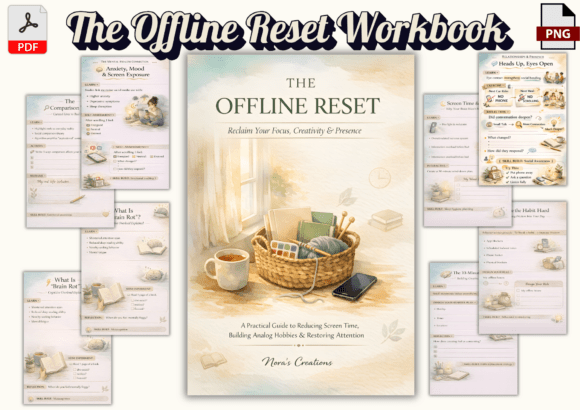
Offline Reset Workbook: A Practical Guide for Reducing Screen Time
Many people today feel pulled in multiple directions by notifications, endless feeds, and the persistent glow of screens. The Offline Reset Workbook is a 21-page guided resource designed to help individuals step back from digital overload and reconnect with real-world experiences. It combines reflection prompts, daily challenges, and mindfulness exercises within a printable PDF format. This article explores what the workbook offers, who it suits, where it may fall short, and how to decide if it aligns with your personal goals for a healthier relationship with technology.
What Is the Offline Reset Workbook?
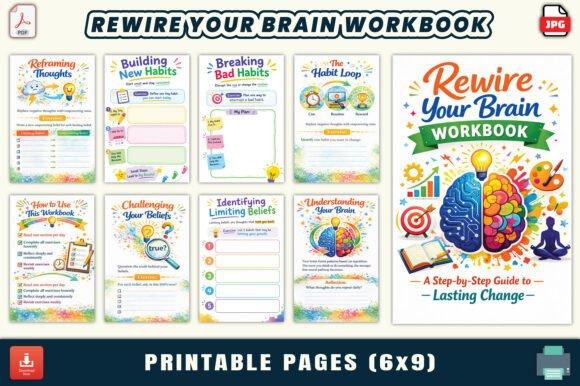
The Offline Reset Workbook is a structured set of exercises and prompts aimed at reducing screen time and building more intentional digital habits. According to the product description, it covers topics such as the attention economy, the mental health effects of excessive scrolling, strategies for decreasing social media use, analog hobbies that replace digital habits, and mindfulness practices to improve focus. Each page is designed with calming visuals and a straightforward layout intended to encourage reflection without adding to digital noise.
The workbook is a 6 x 9 inch printable file available in PDF and PNG formats. At 21 pages, it is relatively concise, making it suitable for a focused short-term effort rather than a comprehensive multi-month program. Its content includes daily and weekly digital detox challenges, reflection prompts, and practical tools for setting boundaries around technology use.
Why Consider an Offline Reset Workbook?
People often seek resources like this when they recognize that their screen time is interfering with productivity, sleep, relationships, or overall well-being. The workbook directly addresses the feeling of being trapped in a cycle of scrolling and offers a step-by-step framework for breaking that cycle. It appeals to individuals who prefer analog, hands-on methods over app-based interventions, and who want a tangible tool to track their progress.
Another reason someone might explore the Offline Reset Workbook is a desire for structured guidance without the pressure of a formal program. The workbook provides specific prompts and challenges, so the user does not have to design their own detox plan from scratch. It also includes educational components about how apps compete for attention, which can help build awareness and motivation for change.
Potential Benefits
- Structured approach: The workbook offers ready-made exercises, reducing the cognitive load of figuring out what to do each day.
- Focus on the bigger picture: It addresses not just reducing screen time but also reconnecting with values, creativity, and presence.
- Portable and reusable: The printable format means you can use it across multiple devices or print multiple copies for ongoing use.
- Aesthetic design: Calming visuals may help create a positive mindset for the detox process.
Tradeoffs and Considerations
- Length and depth: At 21 pages, the workbook is designed for a relatively quick reset rather than a deep, long-term behavioral change. People looking for extensive therapy or coaching may find it too brief.
- Requires self-discipline: The workbook provides the structure, but the user must commit to completing the exercises consistently. Without internal motivation, even the best workbook may sit unused.
- One-size-fits-all format: While the prompts are broadly applicable, they may not address specific individual circumstances such as work-required screen time, compulsive gaming, or social media addiction linked to professional networking.
- Limited to analog interaction: The workbook is a paper-based (or printable) tool. If you prefer interactive digital solutions, habit-tracking apps, or community support, this may feel less engaging.
When Is the Offline Reset Workbook a Strong Fit?
This workbook is likely to be most useful for individuals who:
- Have already identified that they spend too much time on screens and are ready to make a change, but need a simple, guided starting point.
- Prefer analog methods – writing by hand, reflecting on paper, and having a physical object to refer to during a digital detox.
- Are looking for a short-term challenge (perhaps one to four weeks) rather than a long-term overhaul.
- Appreciate a mix of education and actionable prompts, and want to understand the psychology behind screen addiction as they work through exercises.
- Feel overwhelmed by the abundance of digital tools and want a low-tech, straightforward solution.
Example Scenarios
A student preparing for exams may use the workbook to temporarily cut back on social media and build focus. The structured challenges could help establish new study habits. A parent hoping to model healthy screen use for children might find the workbook valuable for creating family boundaries, as the exercises are designed to be personal and reflective. Someone recovering from burnout could use the workbook as part of a broader self-care routine to reintroduce analog hobbies and mindfulness practices.
When Alternatives May Be Worth Considering
Despite its strengths, the Offline Reset Workbook is not the best solution for every situation. Alternatives may be more appropriate in the following cases:
- If you need ongoing accountability: The workbook is a solo activity. If you struggle to stay motivated without external support, consider a group challenge, a digital wellness coach, or an app with social accountability features.
- If your screen use is tied to professional requirements: People whose work demands constant screen time may need a more nuanced approach that incorporates time-blocking, app blockers, or ergonomic adjustments rather than a universal digital detox.
- If you have a serious addiction or mental health concern: Excessive screen time can sometimes be symptomatic of anxiety, depression, or compulsive behavior. In those cases, a workbook alone is unlikely to replace professional therapy or counseling.
- If you prefer a digital solution: There are apps like Freedom, Forest, or Screen Time trackers that provide real-time data and blocking. Some people respond better to gamification or immediate feedback than to paper prompts.
- If you want a more comprehensive program: Books like Digital Minimalism by Cal Newport or How to Break Up with Your Phone by Catherine Price offer deeper dives and longer-term plans. The workbook is a complementary resource but not a replacement for a full curriculum.
Practical Decision-Making Insights
When evaluating whether the Offline Reset Workbook aligns with your needs, ask yourself a few questions:
- What is your primary goal? If you want a quick reset to reduce immediate screen fatigue, the workbook is a good fit. If you seek a permanent lifestyle change, consider combining it with other resources.
- How much time can you realistically commit? The workbook's 21 pages can be completed in a week or stretched over a month. If your schedule is unpredictable, a shorter, self-paced tool may be easier to follow than a structured program.
- Do you enjoy writing and reflection? The workbook relies heavily on written prompts. If you dislike journaling or find it tedious, you may lose engagement quickly.
- What is your relationship with screens? If your screen use is mostly recreational and you feel strong desire to change, the workbook can provide a clear path. If your use is deeply entwined with your livelihood or social connections, you may need a more customized plan.
Also consider the format: the PDF is printable, meaning you can keep it with you even during offline periods. This is a deliberate design choice that reinforces the detox goal. However, if you prefer to work on a tablet or laptop, be aware that using the workbook digitally may undermine its purpose, though you could still benefit from the prompts.
What to Expect When Using the Workbook
Most users will likely spend 15–30 minutes per day on the exercises, though some challenges may require more time. The workbook includes both daily and weekly activities, so you can adapt it to your rhythm. Expect to examine your current screen habits, identify triggers, set boundaries, and try analog alternatives like drawing, journaling, or spending time outdoors. The reflection prompts are designed to help you reconnect with your personal values and priorities.
Because the workbook is concise, it does not delve deeply into every aspect of digital wellness. For example, it may not cover screen use during work hours in detail, nor does it address social media for business owners. Think of it as a catalyst – a tool to start the conversation with yourself and spark initial changes. Sustained improvement often requires continued practice, and you might use the workbook multiple times or revisit certain exercises as needed.
Conclusion: Is the Offline Reset Workbook Right for You?
The Offline Reset Workbook is a thoughtfully designed resource for those who are ready to take concrete steps toward reducing screen time and reclaiming presence. It is not a one-size-fits-all cure, but it offers a practical, low-tech starting point that can be tailored to your life. If you value analog reflection, need structured guidance, and are looking for a short-term reset, this workbook is likely a strong match. If you require deeper behavioral support, professional guidance, or a fully digital approach, you may want to supplement it with other tools or explore alternatives entirely.
Ultimately, the best choice depends on your readiness, preferences, and specific circumstances. By weighing the benefits and tradeoffs outlined here, you can make an informed decision that supports your journey toward a healthier balance with technology.