Hands-on Science Experiments for Kids: A Real World Guide for Parents, Teachers, and Creators
If you have ever tried to keep a child engaged on a rainy afternoon or needed a classroom activity that actually works without a trip to the specialty store, you already know the struggle. Kids lose interest fast when instructions are too complicated or materials are hard to find. That is why the Hands-on Science Experiments for Kids 30 page eBook stands out. It gives you ready to use experiments that rely on items you probably already have at home or in your classroom. No expensive kits, no long prep lists, just real activities that spark curiosity and keep kids busy learning.
What Exactly Is in the eBook
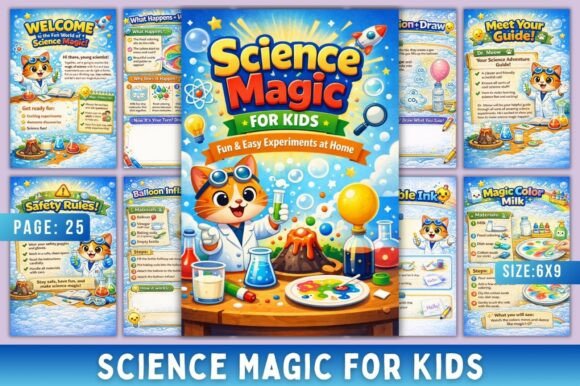
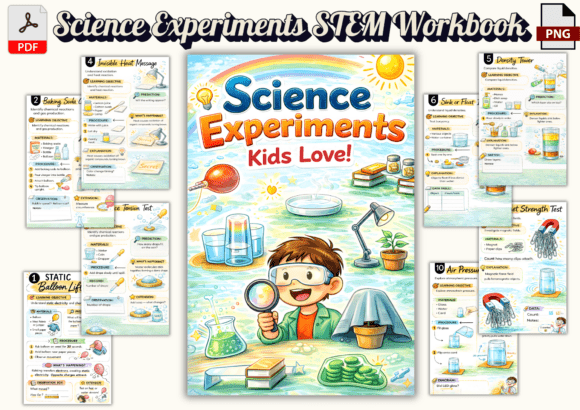
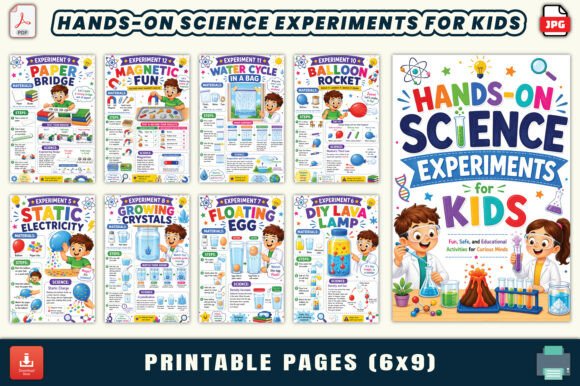
This is not a generic activity list. It is a 30 page digital resource in high quality JPG and PDF formats, designed for instant use. Each page is laid out with kid friendly instructions and clean visuals. The page size is 6 by 9 inches, which makes it easy to print or view on a tablet. Inside, you find experiments covering chemistry, physics, and biology. Think classic volcano eruptions, rainbow in a glass, balloon rockets, magnetic play, static electricity, and walking water. These are not random activities. They are chosen to teach real concepts while keeping hands busy.
The format matters here. Because it comes as both JPG and PDF, you can print individual pages for a class set, display them on a screen during a homeschool lesson, or simply swipe through on a phone while sitting at the kitchen table. For creators and educators who need flexibility, that dual format is a practical advantage.
Parents Looking for Weekend and After School Activities
Weekends can drag when screens lose their appeal. Parents want something that pulls kids away from devices without a fight. The Hands-on Science Experiments for Kids eBook solves that because it offers experiments that feel like play. A child who builds a balloon rocket does not realize they are learning about thrust and air pressure. They just see a cool flying object. That is the kind of sneaky learning parents appreciate.
After school hours are another sweet spot. Kids come home wired and need a transition activity. Setting up a walking water experiment takes about five minutes and uses paper towels, cups, and food coloring. It is calm, visual, and keeps them focused while you handle dinner or homework with another child. You do not need to be a science expert. The instructions are written so a parent can read them aloud and let the child take over.
Teachers Needing Quick Classroom Activities
Classroom teachers face a constant challenge. Lessons need to be engaging, but prep time is limited. The experiments in this eBook are designed to work with common classroom supplies. A volcano eruption using baking soda and vinegar is a classic for a reason. It is dramatic, safe, and teaches chemical reactions in a way a textbook cannot.
Teachers often need activities that fill unexpected gaps. A lesson finishes ten minutes early, or a scheduled video fails to load. Having a printed page from the eBook ready lets you pivot instantly. Because the instructions are kid friendly, you can project the page and let students read and follow along. That builds independence and reading comprehension at the same time.
The eBook also works well for science fair preparation. Students can choose an experiment, practice it at home, and then present it with confidence. The clear steps reduce the frustration that often kills a child's interest before they even begin.
Homeschool Parents Building a Full Curriculum
Homeschooling demands variety. You cannot rely on one textbook or one approach. The Hands-on Science Experiments for Kids eBook gives you a rotating set of activities that cover different branches of science. One week you focus on physics with the balloon rocket. The next week you explore biology concepts through experiments that observe plant growth or chemical changes in everyday items.
Because the eBook is digital, you can print pages for each child in your home. Siblings can work on different experiments at the same time if you have multiple pages printed. That flexibility matters when you are managing different ages and attention spans. You can also reuse experiments year after year. A child at age six will approach a rainbow in a glass differently than the same child at age nine. The experiment itself stays useful across multiple grade levels.
Creators and Bloggers Looking for Content Ideas
If you run a parenting blog, a teacher resource site, or a YouTube channel focused on kids activities, you need fresh content regularly. The experiments in this eBook can serve as inspiration for your own tutorials, videos, or printable resources. You can demonstrate an experiment in a video and then link to the eBook as a deeper resource. That creates value for your audience while saving you time on brainstorming.
For social media content, short clips of the balloon rocket or static electricity experiments grab attention quickly. Parents on Instagram or Pinterest are always searching for easy activities. The visual nature of these experiments makes them naturally shareable. You can show the set up, the process, and the result in under sixty seconds. That is the kind of content that performs well without feeling forced.
Small Business Owners and Educational Product Sellers
If you sell educational materials, this eBook fits naturally into a product bundle. You can offer it as a bonus for a larger curriculum package or as a standalone item in a teacher pay teacher style store. The high quality JPG and PDF formats mean you do not need to reformat anything. The 6 by 9 inch page size is standard and prints cleanly on home printers or professional print shops.
For those running a small publishing business, the clear layout and kid friendly design reduce the need for heavy editing. You can resell or distribute with confidence knowing the content is tested and practical. The experiments lean on everyday materials, which means customers will not feel frustrated by hard to find supplies. That builds trust and repeat purchases.
Where and When People Use It Most
Realistically, the eBook gets pulled out in three main settings. First, at the kitchen table during weekday afternoons. That is the classic use case. A parent and child sit down, pick an experiment, gather supplies from the pantry or craft drawer, and spend thirty minutes doing something productive together. No screens, no arguments, just hands on learning.
Second, in a classroom during science block or as a reward for finishing work early. Teachers keep a printed copy in their desk drawer. When a lesson ends sooner than expected, they pull out an experiment page and the class shifts into a hands on mode. That flexibility reduces downtime and keeps behavior in check because kids are engaged.
Third, during weekend or holiday gatherings. When cousins or friends come over, the experiments become a group activity. Kids who have never met can collaborate on a volcano eruption or compete to see whose balloon rocket goes farthest. The social aspect of science is often overlooked, but it is one of the strongest motivators for kids to stay interested.
What to Consider Before You Use or Buy
First, adult supervision matters for certain experiments. The product note mentions this, and it is worth taking seriously. Experiments involving chemicals like vinegar and baking soda are safe, but younger children may need help with pouring or measuring. Static electricity and magnetic activities are generally low risk, but balloon rockets involve string and small objects that could be a choking hazard for toddlers. Knowing your audience matters. If you are in a classroom, you already have supervision protocols. If you are at home, just stay within arm's reach during the activity.
Second, think about the format you need. The JPG version is great for displaying on a screen or inserting into a slideshow. The PDF version works better for printing full pages or distributing digitally. Having both gives you flexibility, but decide how you plan to use it before you download. If you only ever print, the PDF is your go to. If you create digital lessons, the JPG files will be more useful.
Third, consider the age range. The eBook is designed for kids, but not all experiments suit every age equally. A five year old will enjoy watching the volcano erupt but may struggle with the setup. An eight year old can handle most steps independently. A twelve year old might want to modify the experiments or try variations. The good news is that because the instructions are clear, you can adapt them upward or downward easily.
Finally, think about storage. Since it is a digital product, you need a way to organize the files. Create a folder on your computer or tablet where you can access the pages quickly. If you print the whole book, consider putting the pages in sheet protectors inside a binder. That way you can pull out individual pages for messier experiments without worrying about ruining the whole resource.
Why This Approach Works Better Than a Textbook
Textbooks explain concepts, but they rarely make kids want to try them. The Hands-on Science Experiments for Kids eBook flips that. It starts with the activity and lets the concept emerge naturally. A child who watches water walk from one cup to another through a paper towel is seeing capillary action in real time. They might not remember the term capillary action right away, but they will remember the cool thing water did. That memory sticks longer than a definition.
For adults who are facilitating the learning, that shift in approach reduces pressure. You do not need to deliver a perfect lecture. You just need to guide the experiment and ask a few questions along the way. What do you think will happen? Why did that happen? Can you make it happen again with different colors? Those simple prompts turn a fun activity into a real learning moment without making it feel like school.
Final Thoughts on Making It Work in Your Setting
The real value of this eBook is not in the pages themselves. It is in the moments it creates. A parent and child laughing over a failed balloon rocket that they fix together. A classroom full of students leaning forward to watch colored water climb a paper towel. A homeschool day that shifts from frustration to fascination because a simple experiment worked exactly as promised.
If you are someone who works with kids, whether at home or professionally, having a reliable set of experiments ready to go removes a major barrier. You stop wondering what to do and start doing. That is the difference between a good resource and a great one. The Hands-on Science Experiments for Kids 30 page eBook delivers on that promise by being practical, accessible, and genuinely fun. And in a world where kid attention is harder to hold than ever, that is exactly what you need.