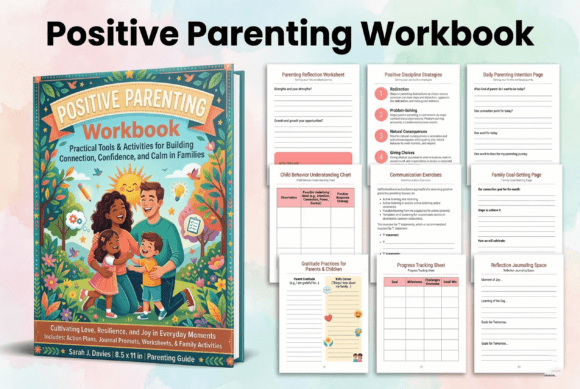
🌱Positive Parenting Workbook💛👨👩👧
Parenting is one of the most rewarding journeys you’ll ever take—but it also comes with moments of uncertainty, frustration, and the quiet worry that you might be missing something important. The 🌱Positive Parenting Workbook💛👨👩👧 was created to help you navigate those moments with confidence. It’s a 120-page printable resource filled with guided exercises, reflection prompts, and practical tools designed to strengthen communication, emotional understanding, and family bonds. But like any tool, it works best when you know how to use it well—and when you avoid a few common pitfalls that can turn a helpful workbook into a neglected PDF.
Mistake #1: Treating the Workbook as a Quick Fix
It’s tempting to flip through the pages expecting instant harmony. You read through Positive Communication Exercises and think, “I’ll use this tomorrow and everything will change.” But parenting patterns don’t shift overnight. The workbook is a guide, not a magic solution.
What happens instead: You try an exercise once, don’t see immediate improvement, and set the workbook aside. The real value comes from returning to the same worksheets—like Behavior Reflection Worksheets or Emotion Feelings Activities—multiple times as your child grows and situations evolve.
A better approach: Choose one area to focus on for a week. For example, pick the Positive Discipline Strategies section and commit to trying one new technique each day. Note what worked and what didn’t. Revisit the same section a month later—you’ll notice how your perspective and your child’s responses have shifted.
Mistake #2: Using the Workbook Without Considering Your Child’s Unique Personality
The Understanding Your Child pages ask you to explore your child’s strengths, emotional needs, and personality. Many parents rush through this section, treating it as a checkbox. But every child is different. A strategy that works for a bold, outgoing child may feel overwhelming to a sensitive one.
What happens instead: You apply a Daily Routine Structure Planner exactly as written, only to find your child resists it because their need for flexibility wasn’t accounted for. Frustration builds on both sides.
A better approach: Spend a full week observing and jotting down notes before you fill out those initial pages. Ask yourself: What does my child need when they’re overwhelmed? What helps them feel safe? Use that real-world insight to customize every exercise. The workbook is a framework, not a prescription.
Mistake #3: Skipping the Parent-Child Bonding Activities
With sections like Parent–Child Bonding Activities and Emotion Feelings Activities, it’s easy to treat these as “extras” when you have spare time. But these exercises are often the most transformative. They build the trust that makes discipline and communication work.
What happens instead: You focus heavily on Positive Discipline Strategies and Behavior Reflection Worksheets, but without the connection piece, your guidance feels like control. Your child may comply on the surface but withdraw emotionally.
A better approach: Schedule one bonding activity per week as non-negotiable. Even a 15-minute exercise from the workbook—like a feelings check-in or a collaborative problem-solving game—can shift the dynamic. Strong connection is the foundation that makes every other tool more effective.
Mistake #4: Overlooking Your Own Emotional Readiness
The workbook includes exercises for you, but many parents skip the self-reflection parts. You might jump straight to Behavior Reflection Worksheets for your child without first examining your own triggers, fatigue, or communication habits.
What happens instead: You try to use Positive Communication Exercises while you’re stressed or impatient. The words come out right, but your tone doesn’t match—and your child picks up on the disconnect. The technique fails, and you blame the workbook.
A better approach: Before starting any exercise, take two minutes to check in with yourself. Are you calm? Open? Ready to listen? The workbook works best when you pair it with self-awareness. Consider keeping a small journal alongside the workbook for your own reflections. That honest look at what you bring to the table is what turns a template into a real change.
Mistake #5: Expecting the Workbook to Solve Everything Alone
Sometimes we buy a resource hoping it will fill every gap—but no single workbook can replace community, professional support, or your own intuition. The 🌱Positive Parenting Workbook💛👨👩👧 is a fantastic companion, but it’s not a substitute for talking to a counselor if your family is facing deep challenges.
What happens instead: You rely solely on the pages and feel disappointed when complex issues—like trauma, neurodivergence, or major life transitions—aren’t fully addressed. You may also miss opportunities to adapt the material with input from a teacher or therapist.
A better approach: Use the workbook as one part of your toolkit. Share relevant worksheets with your child’s teacher or a family counselor. Many of the Behavior Reflection Worksheets and Emotion Feelings Activities can spark productive conversations with professionals who can provide deeper insights. Let the workbook guide you, but stay open to outside perspectives.
Mistake #6: Failing to Revisit and Revise
You fill out the Understanding Your Child pages once and never return. But your child changes—they develop new interests, fears, and ways of communicating. What was true six months ago may not be true today.
What happens instead: The workbook becomes a static record of a past version of your child. You stop noticing new patterns because you’re relying on old observations. The Daily Routine Structure Planners no longer fit, but you keep using them because “it’s worked before.”
A better approach: Set a reminder to review the workbook every three months. Update your child’s strengths and needs in the Understanding Your Child section. Adjust routines and discipline strategies based on what you’ve learned. The workbook is meant to grow with your family—treat it like a living document.
What to Check Before You Start Using the Workbook
Before you download or print your copy, take a moment to consider these points—they’ll save you time and help you get real value.
- Your current parenting challenges: Be honest about the areas where you struggle most. The workbook covers communication, discipline, routines, emotions, bonding, and behavior reflection. Identify your top two priorities so you start where the impact will be greatest.
- Your child’s age and development: While the workbook is designed for a wide range, some activities may need tweaking for toddlers vs. teens. Preview a few pages to make sure the language and concepts align with your child’s level.
- Your available time and energy: Consistency matters more than volume. It’s better to do one 10-minute exercise three times a week than to try to complete the whole workbook in a weekend. Plan realistic blocks of time.
- Your willingness to be vulnerable: Some exercises ask you to reflect on your own parenting patterns, mistakes, and emotions. If you’re ready to look inward, the workbook will serve you deeply. If you’re not, you might find yourself avoiding those sections—that’s okay, but try one small step at a time.
- Your support network: Share your journey with a partner, friend, or parenting group. Going through the exercises together can offer accountability, fresh ideas, and encouragement when things get tough.
Making the Most of the Workbook
The 🌱Positive Parenting Workbook💛👨👩👧 is a thoughtfully designed resource, but its real power lies in how you use it. Avoid the pitfalls of rushing, skipping connection activities, ignoring your own needs, or expecting perfection. Instead, approach each section with curiosity and patience. Let the Emotion Feelings Activities open conversations. Let the Positive Discipline Strategies replace punishment with guidance. Let the Parent–Child Bonding Activities remind you that connection is the heartbeat of every other skill.
Parenting isn’t about getting it right every time—it’s about showing up, learning, and growing alongside your child. This workbook is simply a companion for that journey. Use it wisely, revisit it often, and trust the small, consistent steps you take each day.