Positive Thinking Workbook – Build a Healthier Mindset
Life often throws us curveballs, and it’s easy to get caught in a loop of self-doubt, worry, or comparison. A positive thinking workbook offers a practical, hands-on way to break free from those patterns. Instead of just reading about optimism, you actively engage with exercises, reflections, and habits that reshape how you view yourself and your daily experiences. This isn’t about ignoring difficulties—it’s about building a mental toolkit that helps you navigate them with more clarity, confidence, and balance.
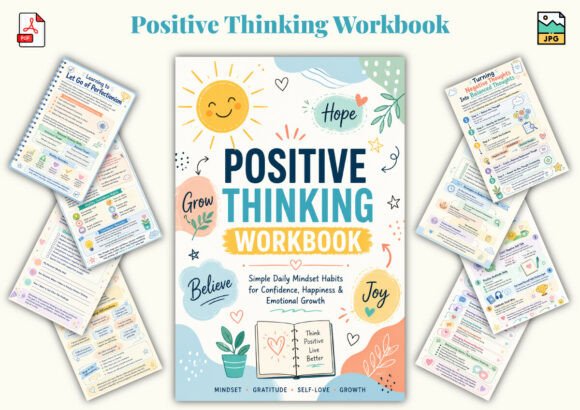
The Positive Thinking Workbook is exactly that kind of resource. Designed as a set of 31 unique pages, it combines cheerful doodles, clean layouts, and thoughtful prompts into a portable guide for emotional wellness. Whether you’re a coach helping clients or someone simply looking to improve your own mindset, this workbook turns abstract ideas like gratitude and self-confidence into concrete activities you can use immediately.
What Makes This Workbook Different
Many self-help tools feel either too clinical or too fluffy. The Positive Thinking Workbook strikes a balance. It’s professional enough for therapists and educators, yet friendly enough for a beginner who has never journaled before. Each page serves a clear purpose: introduction to mindset awareness, positive self-talk practices, gratitude reflections, confidence building, healthy habit guides, stress management tips, and overthinking reduction strategies.
The design is minimal and easy to read, with a cheerful doodle theme that feels uplifting without being childish. At 6×9 inches, it’s a comfortable size for writing—not too big to carry around, but spacious enough for real reflection. The high-quality JPG and print-ready PDF files mean you can use it digitally on a tablet or print it out for a physical experience. This versatility makes it ideal for KDP printable use, planners, and personal journals.
Key Features That Support Real Change
- Engaging activities over passive reading. You aren’t just consuming information; you’re writing, drawing, or listing your thoughts. This active involvement helps new thinking patterns stick.
- Structured yet flexible. The workbook guides you through a logical progression—starting with awareness, moving to self-talk, then gratitude, confidence, habits, and stress reduction—but you can also jump to a page that speaks to your current need.
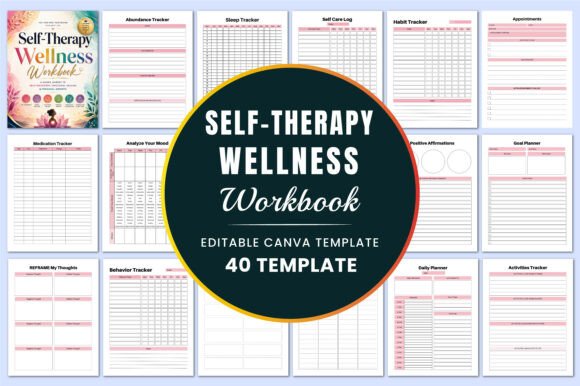
- Goal and habit tracking pages. Positivity isn’t a one-time event; it’s a daily practice. Tracking pages help you see progress over time, which reinforces motivation.
- Encouraging affirmations woven throughout. Affirmations are placed naturally within exercises, so they feel like part of the process rather than forced repetition.
Common Problems This Workbook Can Help Address
People come to a positive thinking workbook for many reasons. Some struggle with persistent self-criticism or imposter syndrome. Others feel overwhelmed by stress or anxiety and want a structured way to regain perspective. Many are simply looking to build a more grateful and optimistic outlook as part of their personal growth journey.
The Positive Thinking Workbook tackles these situations head-on. For example, the overthinking reduction strategies offer concrete steps to notice when you’re spiraling and redirect your focus. The confidence-building activities help you identify your strengths and celebrate small wins. And the gratitude practice pages shift attention from what’s missing to what’s already good—a simple but powerful habit that research consistently links to better emotional health.
Consider a realistic scenario: you’re a busy professional who feels drained by negative self-talk at work. Instead of vaguely trying to “think positive,” you open the workbook to the positive self-talk practice page. You list a common critical thought, then reframe it with evidence. Over a few weeks, this small exercise can rewire how you talk to yourself during deadlines or presentations. Similarly, a teacher might use the emotional wellness activities with students to create a calm classroom culture.
Who Can Benefit and How to Use It
The audience for this workbook is wide. Therapists and coaches can integrate it into sessions or assign specific pages as homework. Self-help creators and printable shop owners can use the KDP-ready files to sell or gift to their audience. Freelancers, entrepreneurs, and bloggers can work through it during morning routines or as part of a weekly reset. Even hobbyists or beginners exploring personal development for the first time will find the language and layout inviting.
Practical Use Cases
- In a coaching practice: Give clients the stress management tips and reflection journal prompts as between-session tools. This keeps them engaged and reinforces your guidance.
- In a classroom or workshop: Project a gratitude reflection page for group discussion, then have each participant write their own. The doodle theme makes it approachable for all ages.
- In a bullet journal or planner: Print a few pages to insert into your daily organizer. The clean layout matches well with minimalist planning styles.
- As a digital companion: Use the JPG files with a note-taking app on your tablet. Write directly on the pages, then export as PDF for your records.
One important consideration: this workbook is designed for solo use, but it can also support group settings. For instance, a small business owner might run a weekly positivity challenge using the goal habit tracking pages. Each team member fills out their own sheet and shares one win. This builds camaraderie and a supportive culture.
What to Keep in Mind Before You Start
While a workbook is a fantastic tool, it works best when paired with consistency and openness. Don’t expect overnight transformation. The real value comes from revisiting pages, noticing patterns, and gently challenging your default thinking. Some exercises might feel uncomfortable at first—especially if you’re not used to writing about emotions or gratitude. That’s normal. The introduction to mindset awareness page is specifically there to ease you in.
Also consider the format that suits you. If you prefer physical writing, print the PDF on quality paper and use a pen you enjoy. If you’re always on the go, keep the JPGs on your phone or tablet. The workbook’s size (6×9 inches) is portable enough to slip into a bag or purse. And because it’s a printable product, you can make multiple copies—one for yourself and one for a friend or client.
Finally, remember that this workbook is a complement, not a cure. It works alongside therapy, coaching, or other personal development work. The stress management tips and overthinking reduction strategies are evidence-informed, but if you’re experiencing severe anxiety or depression, professional support remains essential. The workbook becomes a powerful ally in those contexts, not a replacement.
Why a Positive Thinking Workbook Matters Today
In a world filled with constant notifications, comparison on social media, and high demands on our time, intentional positivity is a form of resistance. It slows us down. It asks us to notice what’s working. It builds emotional balance from the inside out. The Positive Thinking Workbook offers a structured yet gentle path to that balance—one reflection, one affirmation, one small habit at a time. Whether you’re a coach, a creator, or someone simply ready to shift your inner dialogue, these 31 pages provide a reliable starting point.
Take it at your own pace. Some people complete a page a day for a month. Others pick and choose based on what feels relevant in the moment. There’s no wrong way to use it. The key is to show up, write honestly, and let the process reshape your perspective over time. That’s the quiet power of a thoughtfully designed workbook—it meets you where you are, and gradually helps you move toward a healthier, more confident mindset.